fbpx

Blog

  • Why does my baby hate his car seat/ stroller?

    Why does my baby hate his car seat/ stroller?

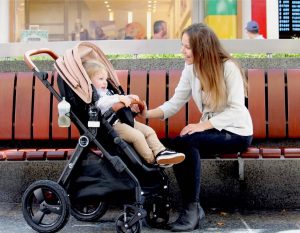
    Imagine this: your friends/ sister/ neighbor is having a lovely and peaceful time with their child who sits patiently and plays around in their seat/ stroller. But every time you try this, your baby wreaks hell in your house. He throws his arms and feet around and makes it impossible for you to strap him in. Not mention doing it somehow makes you feel like you’re forcing your baby into discomfort. What is going on here? There are some possible reasons your little one hates their swing, stroller, high chair or car seat. Here’s why and how to address a fussy baby in their stroller car seat or highchair.

    Why does my baby hate his car seat/ stroller?

    Here are some possible reasons your little one hates their swing, stroller, high chair or car seat.

    1. Overstimulation in seat

    Baby has too many stimuli. Some babies may find it difficult to adjust to daily life’s commotion after spending more than nine months sheltered from the outside world inside of your womb. Sensitive newborns may become uncomfortable and cry if they experience too much noise, movement, or visual stimulation. Like when they are strapped into the backseat of a moving automobile or bounced around in a jumper.

    2. Uncomfortable seat

    Baby is in discomfort. Your child might not enjoy the straps that hold him in a car seat or stroller. There may not always be much you can do about that because car seats are made to keep babies safe, not to suit their irrational whims. However, you should always use car seats according to the manufacturer’s instructions and make sure that all straps and fasteners are as snug and secure as possible without rubbing your baby’s skin.

    3. Lonely

    Baby feels alone. Since he spends the majority of his waking hours being held, switching to a car seat, highchair, or stroller — where he can no longer feel your body’s constant contact — could be upsetting.

    4. Nature of the baby

    Babies are naturally more picky. Personality is another potential influence. Simply put, some newborns are fussier than others, and that’s just a characteristic of their individual temperament. Your baby can just dislike car seats and strollers or be bothered by the frequent abrupt routine changes they bring. You may think of it as genetic luck of the draw.

    5. Motion sickness

    Baby feels dizzy when moving. Your infant may be cranky as a result of vehicle sickness. While some babies still feel motion sickness, it is often more common in toddlers and older kids than in infants.

    6. Preterm?

    Infant is colicky or preterm. Due to their increased sensitivity to light, noise, and movement, premature newborns and some babies with colic may dislike car seats, strollers, or highchairs.

    How can I address a fussy child in their pram, car seat, or high chair?

    As most babies get older, they grow out of the need to cry, including the fussiness in their seats, and strollers. This phase should roughly come to an end at about 3-4 months as your baby gets used to the device and associates it will movement and a daily part of life.  But some babies may never get used to this, so don’t be dishearten if yours is one of them. While this may be ok in some instances, there are times when you may have to strap them in without a choice.

    Tips for soothing a baby who hates the stroller, car seat or highchair

    Don’t worry, like everything else, this problem too has its solutions. Here are some things you can do to help your baby acclimate to seats strollers and highchairs so you can take the best use of your sitting device.

    1. Try to gently settle the baby.

    When your baby is already fussing or crying, try to avoid putting him in a stroller, car seat, or highchair. When you drop him in, he’ll simply get angrier (and louder!) so try to wait until he’s quiet and content before attempting again.

    2. Distract the baby

    Put your infant on his back on a play mat, a blanket on the floor, or in his crib before attempting to secure him in a car seat, highchair, or stroller. Then provide some eye and ear candy, such as a mobile or some toys for swatting, as well as some music or white noise. Try putting him in his seat or stroller after he is peaceful. Even if your kid may cry a lot when in the car, he has no choice but to be constrained there, therefore music is frequently helpful.

    3. Try a change of scenery

    If your infant has a better vision, he might relax. For instance, consider setting up your highchair in front of a mirror (your child enjoys watching himself in the mirror) or connect safe toys to the back of his car seat for him to enjoy and play with. If your child absolutely detests his car seat, you may also bring it inside. Fasten him in there while you play with him so he begins to feel a little more at ease (and content) while he’s fastened in. Even if your kid may cry a lot when in the car, he has no choice but to be constrained there, therefore music is frequently helpful.

    4. Give them closure

    If he needs to be close to you, carry him in a sling or another carrier that keeps him as close as possible to you. At least your hands will be free to take care of some other things when you are wearing your kid, even if you will still be carrying a small buddy wherever you go. (Although it may be tempting, resist wearing your child in the automobile. No matter how agitated he becomes, he must be in the car seat whenever you are traveling.)

    5. Stay where bub can see you

    If you believe that your baby is struggling because he can’t see you, do your best to keep yourself visible while caressing and soothing him to see if it will help. Sit next to him in the backseat of a car if you’re not the driver and engage in conversation, song, or play with him. It might offer him the solace he requires to unwind.

    So all in all, a fussy child in their stroller, high chair or car seat are pretty common, so do not worry. Baby hates car seat, stroller or high chair? We’ve got the top things you need to know here, and it should fix the issue!


  • Myths busted- choosing the right pram

    Myths busted- choosing the right pram

    Myths busted- choosing the right pram. One of the most crucial choices you will need to make when you have a newborn baby is whether to purchase a pram. You’ll frequently use your stroller. Fighting with your stroller while trying to fold or unfold it in a parking lot is the last thing you want to be doing. Or straining your back because it’s too big or heavy for you. Having trouble maneuvering it off-road or running out of room in the trunk of your car for your groceries because it is too big when folded.

    Here are a few examples of the difficulties parents have as a result of not taking into account their own needs for a pram, and failing to realize that the best stroller for one member of your family or friend may not be ideal for you. Each person has a unique lifestyle and set of circumstances.

    Big multi-store sellers who are not professionals and as a result give erroneous or terrible advise and quote myths because they do not understand themselves add fuel to the fire, producing extra confusion when purchasing prams.

    According to studies, parents wind up purchasing up to 5 strollers during a child’s lifetime.

    Myth 1 – Newborn babies must lay flat in a pram all the time

    There is currently no rule or law in Australia that requires a newborn to lay flat in a pram. In fact, it’s generally recommended to have them bent or slightly slanted with their heads up. Having some sort of head support is essential. A newborn baby should not be left flat in a stroller or baby capsule for longer than two hours at a time, according to some other sources.

    Myth 2 – Pram bassinets cannot be used over night

    While many bassinets for strollers fit this description, not all strollers do. Some producers have taken great care to make sure that their bassinets are especially made for overnight sleeping. For some brands, you can even purchase customized stands that let you take the bassinet out of the pram and put it in the stand. Some bassinettes have ventilation mesh incorporated into the sides and particularly breathable mattresses. This function is really useful. especially when traveling for vacation or visiting friends and family. Always verify whether a bassinet is intended for overnight use before making a purchase. The Baccani Pletora bassinet and Cavallo bassinets are two examples of ones that are safe for overnight sleeping when the ventilation mesh is opened properly.

    Myth 3 – Small Prams are no good

    This emphasizes the idea that every parent has unique demands once more. A compact stroller is ideal if, for instance, you travel frequently- especially on a light. Yes, substantial storage is quite useful, and smaller strollers generally won’t have as much storage. However, not everyone will find this to be significant. Everything comes down to what you need.

    Myth 4 – A three-wheeled pram is a jogging pram

    It’s entirely inaccurate to say this. Yes, jogging and running strollers are three-wheelers. All three-wheelers, however, are not made for jogging or running. A genuine running or jogging stroller won’t experience the wobbles when moving quickly. Along with a standard park brake, it will also have a hand brake. Typically, they will have big wheels, unique bearings, and additional baby safety features. In addition, special suspension to provide a smooth ride at high speed and a stronger frame.

    A jogging pram is NOT always referred to as a three-wheel jogger. In fact, using one that isn’t made for running can be risky when jogging. The phrase “3 wheel jogger” is used by retailers and manufacturers to describe aesthetics rather than functionality.

    Myth 5 – Only expensive prams are safe and practical

    Although more expensive prams might have more features, a pram does not necessarily need to be pricey to be safe and useful. However, it is also unrealistic to expect super-cheap strollers and prams, which are frequently purchased in huge general merchants, to last through several kids. Multiple strollers will almost certainly end up costing more than one of good quality throughout the course of a child’s life. By no means do you have to pay thousands of dollars. We offer a wide range of strollers and prams that are of outstanding quality, reasonable pricing, and amazing utility.

    Advice on Choosing Prams

    Everyone has different needs, therefore keeping that in mind is crucial when selecting a pram. Don’t just listen to your friend or a member of your family. Their way of life will differ. The boot space in your automobile won’t be the same. They won’t always have the same money, and keeping up with the Joneses is not always necessary.

    Our recommendation is to seek wise counsel from a local baby shop or your pram manufacturer. One with experienced product professionals who have received extensive training. Product experts who are knowledgeable and have years of expertise with both themselves and their consumers. This gives them the ability to determine the ideal pram for your particular needs.

    We have a wide selection of strollers and prams at Baccani. Our prams are designed with special care and focus on the needs of Australianp parents and more than 5 years in this industry. We have gained knowledge by speaking with parents and gaining an understanding of their needs.

    Check out the range and don’t hesitate to pop in to your local baby store or call, or live chat with one of our baby products specialists for any questions or advice you need about baby prams. And there you have it, the biggest myths about purchasing your pram.

  • Things you need to know when travelling with your baby

    Things you need to know when travelling with your baby

    Many parents these days are open to travelling with their children. If you’re one of them, you’ve probably had questions like when is my baby old enough for travel? What do I need to pack? How can I keep my baby safe? And so on. Here are some of our best tips and things you need to know when travelling with your baby.

    When is my baby old enough to travel?

    To be honest, your baby is travel ready as soon as they’re born. Yes- your baby is new to the world, so they can be trained however you like! If you’re a travel mum, or a travel dad, your bub can most likely be your travel bub as well! Give your baby 2-3 days to get used to the air, and the feel of things outside Mumma’s tummy, and you’re good to gallivant.

    If you plan on any air travel, check with your airlines on their requirements first. Most airlines prefer babies to be at least 2 days old, but no doubt -the passengers would raise that bar higher! Admit it, you wouldn’t like your flight to be disturbed by anyone, or your bub to be disturbed either! It is also useful to know travel insurance requirements by your visiting country’s law, so getting an insurance is never a bad idea.

    But it all boils down to if you are ready as a parent. If your baby has any complications, or you’re feeling overwhelmed with parenthood, or just not feeling right. Give yourself a few weeks to settle in with bub and feel safer until you want to travel.

    By three months, you and your baby are more likely to be ready to travel. Your baby is no longer as fragile, but still small enough to not mind whether their bed is at home or in a hotel room, or being cuddled close to you. Young babies generally make good travelers if they feel cuddled and secure and are feeding regularly. The movement and activity often help’s them sleep, too!

    The real challenge is as the baby gets older, and his/her preferences start to surface.

    How can I transport my baby while on a trip?

    We all know as mums, that it is impossible to keep bub in your arms every time they aren’t laying down. So choosing the right travel gear will help heaps you heaps in the travel department, and when exploring your new getaway.

    If you are flying, a baby carrier or baby sling is an ideal way to transport your baby when they’re small. Being swaddled in close to you, or your partner will make bub feel safer and carefree. Using a sling keeps your hands free, and allows you to rummage around your backpacks or luggage for passports, tickets, money or your handkerchief to wipe that sweat while bub snuggles in.

    On the road, your young baby would need a travel system that usually includes all the items and accessories that your baby needs to be transported from A to B; be it a pram, a seat, a bassinet, or a car seat. If your baby is very young where they still need many hours of sleep a day, it would be best to get a pram system that can accommodate a bassinet, a seat, and a car capsule without hassle. This way, bub can be out on a walk, sleep in your house, and back in the car, all without being woken up. One thing to remember is you travel, is to make sure you get a travel system that fits your car, or the airline cabin! Don’t forget to get a luggage tag for your stroller if you’re putting it in the cabin.

    What should I pack for the baby’s trip?

    • If your baby usually sleeps in a cot, make sure you ask the hotel if cots are available during your reservation. If not, use a pram bassinet that is suitable for over-night sleeping. Australia has some great options for over-night sleep friendly bassinets- like the Baccani Pletora and Cavallo prams. Remember to open the ventilation canopies to allow proper airflow for bub as they sleep!
    • Pack along a mosquito net, rain cover and UV cover depending on the regions you’re visiting. You wouldn’t want bub to be exposed to insects and the elements if you go unprepared!
    • You may also want to take a plug-in baby monitor or night-light with you, if you’re still new to this, and want to keep an eye on bub, and make sure bub is comfortable in his new space.
    • Take along a couple of their favorite toys, or books, to keep them grounded to something homely and familiar.
    • You might also want to take along your camera to capture your baby and the fun associated with the challenge of travelling with one!
    • Apart from the above, you will also need to take the usual baby supplies which may include nappies, wipes, nappy rash cream, changing mat, sunhat and sunscreen, tissues, bibs, first-aid kit, breast pump, travel steriliser kit, clothes, bottles and formula milk.

    Tips to keep your baby happy on the trip

    A happy baby makes a happy trip. Being rested, fed, and calm is a good start for a baby acclimatizing to a new place. Make sure your bub gets plenty of sleep, and enough food, and treats that they like, to keep them happy. Toys that also keep them occupied will help keep bub working, as you tread that trek!

    A few useful accessories for car travel

    • A rear-view mirror to keep an eye on your baby as they’re at the back seat of the car!
    • Car window shades to keep away the heat and bright light from your bub!
    • Baby on board sign- you feel safer knowing that other drivers are aware of your baby on board.
    • A car bin will come more in handy than you expect, when you have a baby travelling along. Baby wipes, snack wrappers, tissues, and anything else can sit neatly in a car bin instead of carpeting your car floor!
    • A pram organizer is also a great investment to look at when travelling. You never know how much of stuff you’ll end up carrying in your pram, anticipating its need for bub in any instance during the trip! A pram with an extra-large storage basket can give you an unbelievable advantage here.

    How can I feed my baby when travelling?

    Breastfeeding is very convenient when travelling as you don’t need to pack any equipment. But if your baby is formula fed you need travel sized packages for most things. You should be able to find travel sized formula packs in supermarkets, or you can separate portions of formula powder to feed your baby whenever they need a feeding. Airlines may also allow extra liquid allowance if you’ve got a baby travelling. Be sure to clarify this before you pack for the flight!

    If your baby has started their solid diet, you could also seal pack some jars and packets of baby food into your luggage until you can access the next stop to prepare their meals.

    How can I keep my baby safe when travelling in the car?

    Take the same careful approach to safety as you do at home.

    • Make sure your baby’s car seat is properly installed and that the seat belts, if used, are correctly threaded. Australian safety standards require a safety harness in all car seats. You can check their website for more information of stroller safety here.
    • Never smoke when your baby is in the car. It’s actually illegal to smoke in a car with anyone under 18 present, because of the dangers of second-hand smoke in such an enclosed space.

    That’s a quick read on things you need to know when travelling with your baby. But the best we’ve got for you, is to go with your gut. A parent senses their child’s needs better than anyone else can!

  • Have prams evolved?

    Have prams evolved?

    Story time

    As a new parent, you must have thought – have prams evolved to suit new standards? – well that’s why you’re reading this – we’ve got a short and quick history update for you. Perambulator, pram, stroller, push chair, carrycot, child carrier, buggy, where did they come from, and what’s right for you? One of the odd but interesting questions a new parent asks themselves. The evolution of prams.

    With so much on the market, all with extreme variations in price, let’s take a look at how the modern pram evolved. It may help you to appreciate what features you need and what you don’t.

    The pram which is a baby carriage for infants and toddlers has western origin and quite an urban invention that picked their pace in the 1800s. Before 1800 babies were confined inside for safety reasons and of course, the lack of facility for babies to ravel safely with convenience for parents. When transporting babies was necessary, they were swaddled in clothing or, among the upper classes, carried by nannies.

    In 1733, William Kent, an English landscape gardener, was commissioned by the Duke of Devonshire to build a contraption to carry his children. It was designed to be pulled by a goat or small pony. The idea took off, and was embraced by the Royal family of UK, and then France, before it reached America.

    Later an American man named Jesse Crandall made additions to this standard model including a brakes, parasols and an umbrella hanger, and a foldable model in 1830-40. By 1840, the baby carriage became extremely popular. Prams in these days were built of wood or wicker, and brass joints. An engineer; William Wilson, who invented a spring suspension system with a reversible folding hood, the modern pram.

    1889, William Richardson patented his idea of the first reversible stroller in the USA. The bassinet was designed so it could face out or in towards the parent. He also made structural changes to the carriage. Wheels in the stroller could rotate on 360 degrees independently from each other. These strollers made of wicker with a leather seat, was the then popular style that was being used in many countries around the world. Less wealthy families had adapted to using prams that were designed to be pulled by goats, or dogs.

    The use of prams show broad cultural features concerning safety, hygiene, social improvements, developing views about childhood, parenting and gender norms. With the introduction of pavement in urban and suburban areas in the mid-1800s, the pram became a practical means of transportation. In the 1880s light and fresh air were considered important in the nursing and care of young children, and doctors recommended that all parents use prams.

    The general economic welfare after World War II made prams more available to middle-class families, and the pram and stroller industry grew. Thanks to the high birth rate after WWI, baby carriages became available to more families, which demanded better safety modifications. This included new features like larger wheels, brakes, deeper prams (to stop little ones climbing out), and sturdier frames began to appear

    Pram styles continued to impress, as they do today, with cushioned seats, shopping baskets, safety harnesses, and ofcourse, various colours.

    By the 1950s, baby carriages were a must have for any new parents. Cheap materials and safe designs made buggies affordable and popular.

    Fun fact

    An aeronautical engineer, on hearing his daughter’s complaints about travelling from England to America with her heavy pram decided to design the first true light weight stroller with an aluminium frame. It was than that this father, and aerospace engineer Owen Maclaren then founded Maclaren which manufactured the revolutionary lightweight design and continues to be the model of practicality.

    By the 1980’s companies were manufacturing to meet the demands of parents for a versatile and safe stroller. The 1940’s American company Graco, who use to make metal products, took a new direction and by the 80’s, had developed the combination stroller and child safety seat which included the five point harness. From there the following adaptations have made the lives of many parents that much easier. . In the 1970s, discussion arose about child care and physical proximity, specifically whether young children are better off sleeping in a pram or being carried. Most children continue to be carried by their mothers, older sisters, or other persons in the family or community, and baby slings are common in Europe and in the United States.

    New designs tailoring to the needs of the growing child has seen the development of adjustable seat positions. Babies and toddlers can sit up straight or recline to sleep, while still on the move.

    Australian Safety standards required that prams and strollers sold in Australia meet a number of safety features, including a warning label, a tether strap (to help careers retain control of prams), a restraint harness and parking brake. Finding a pram that ticks all the boxes might sound daunting, but Baccani prams have got you covered.

    After years of it being unfashionable for a man to be seen pushing a stroller, many prams are now are made with height adjustable handles to suit the taller ‘pusher’. Pram designers are conscious of the width of most major supermarket entries and exits (or is it the other way around), to make it easier for parents to shop. Some prams even come with shopping baskets with load retention up to an insane 12-15kg! We can be thankful for the modern designs for more than one such amazing feature of the Baccani prams.

    Baccani prams are state-of-the-art strollers that can be transformed from a bassinet to a seat all in one, without having to detach any parts from your pram! It is everything you need, for prices under $ 518!

    In this current generation, strollers just keep getting fancier and fancier. Some modern strollers still have the classic pram style, while others have a more contemporary look. The price also ranges from $100 to more than $3000, depending on the features included. Is it a pram? a highchair? a shopping trolly, a spacecraft? It might look strange but baby strollers continue to impress and grow daily.

    Now THAT was history… what’s next?

  • How To Introduce Your Child to a New Partner or Parent Figure

    How To Introduce Your Child to a New Partner or Parent Figure


    Ah, the joys of starting a new relationship. But when you have children in the mix, things can get complicated fast. There are plenty of challenges when introducing your kids to a new partner or parent figure, from handling their first impression to making sure that they feel safe around someone who loves them. This guide will walk you through some tips on navigating these waters smoothly, including helpful advice from experts who have been there themselves!

    When introducing a new partner, you should be careful not to overwhelm your child.

    You must also be careful not to overwhelm your child with too much information or too many changes at once. If you’re introducing a new partner, keep it simple and let your child meet them in more than one setting. Introducing someone means sharing something about yourself that could make you feel vulnerable, so it’s vital for the person being introduced to feel comfortable around the other person.

    If possible, allow time for your child to get used to the idea of having a new parent figure before making any plans for them (like spending holidays together). Some kids may need more time than others, and there are no hard-and-fast rules for how long this should take—just know when it feels right! If at any point in this process your child says they don’t want their new parent figure involved in their life anymore, respect that decision completely; do not try and force acceptance upon them or bribe them into changing their minds!

    How To Introduce Your Child to a New Partner or Parent Figure

    The two-year rule can be helpful when introducing a new partner to your children.

    It sounds like a long time, but it’s not as bad as it seems. ‘Why,’ you ask?

    Children need time to adjust. They may not be sure how they feel about this person right away. They need time to get used to the idea of having someone else around who isn’t Mom or Dad (or both). It might take them a while before they’re comfortable enough with the idea of having another adult in their lives. And that’s okay! Give them some space, and don’t force anything on them too quickly if they don’t want it—you want this new person in your life because you love them. So, then wait until they feel welcome before trying again!

    Be sure that sleepovers with your new partner don’t happen too soon in the relationship.

    When figuring out how to introduce your child to a new partner or parent figure, you may want to be sure that sleepovers with your new partner don’t happen too soon in the relationship. You want to ensure that your child is comfortable with the new partner and their family. The same goes for the new partner—you want them to feel comfortable with your child before spending time alone.

    If your children are young, you must tell them they can talk to you about how they’re feeling.

    It’s important to remind your children that they can talk with you about how they’re feeling. Children are sensitive to change and may feel left out, jealous, like their parent is losing them or their home, or like they are losing their family.

    If your children are young, you must tell them that the new person in your life will not replace them in any way. You should always let your child know that it is okay for them to express their feelings about this change without being judged by you; however, do not force them into an emotional response if they do not want one at the moment.

    How To Introduce Your Child to a New Partner or Parent FigureBeing understanding and sensitive will help you when introducing your child to a new partner or parent figure.

    It’s natural for any child who has been through a divorce or separation, especially if they were in an unhappy marriage before this happened (in which case it wasn’t really “divorce” because there was no happiness). The first thing on their mind may be, “why are we splitting up? What did I do wrong? Am I bad? Are my parents going to get divorced too? Will this happen again sometime soon? Will everyone forget about me because there are other children around now? How will I survive without anyone taking care of me anymore…or protecting me from my mean brother/sister! These are all typical questions for any kid who goes through something like this in the family structure—but don’t worry!

    There’s nothing wrong with kids having these thoughts–it’s just part of what happens when parents separate . . . so don’t take it personally if your kids say things like this; just reassure them that everything is going according to plan and explain that no one wants divorce–it only happens when both parents agree on how best handle problems between themselves.

    Moving forward with a new lover or parent figure often means moving on from past relationships.

    Moving forward with a new lover or parent figure often means moving on from past relationships. For example, suppose you’ve been in a long-term relationship that ended recently and is now entering into another one. In that case, you may feel like you’re betraying your ex. However, it’s important to remember that this isn’t the same as being in love with your ex after they’ve moved on and begun dating someone else.

    Being honest with yourself about your current relationship’s health will help you choose who you introduce to your children and when.

    Honesty is the best policy when introducing a new partner or parent figure to your children. You need to be honest with yourself about the state of your current relationship and how much time you can devote to the health and happiness of a new relationship. If you are in an unhealthy or volatile relationship, bringing someone else into that mix will likely make things worse instead of better. When determining whether or not you’re ready for this next step, ask yourself: “Will this person enrich my child’s life?” And if there’s even a slight chance they might—even if they’re not perfect—it may be worth taking another look at how they could impact your family as a whole (and vice versa).

    Never force or bribe your child to accept a new relationship or parent figure.

    • Never force or bribe your child to accept a new relationship or parent figure.
    • Don’t pressure them into accepting the relationship, or even the person in question, if they aren’t ready for it.
    • Don’t force them to accept this new person—it doesn’t matter how long you’ve known them (in real life, online, via text message), or how well you think they would get along with your child. If they aren’t ready yet, then wait until they are.

    Your child’s opinion of your new partner may change over time as they get used to the relationship and their feelings evolve.

    As you introduce your child to your new partner, be patient. Your child’s opinion of your new partner may change over time as they get used to the relationship and their feelings evolve. Children tend to focus on superficial things when they are getting accustomed to a new parent figure in their life—they might not like how they dress or act, for example. They may also have trouble understanding why you don’t need them anymore since there is now another adult around who can do things for you instead.

    Your child may also be jealous at first because they perceive this new person in your life has replaced them. As such, both parents must be understanding of any negative reactions and try not to take them personally; children don’t always express themselves well when it comes down to describing emotions like jealousy or anger toward someone else (especially if that other person is a parent). If necessary, talk through these feelings together so that everyone understands each other better—this will help minimize misunderstandings later on down the road!

    How To Introduce Your Child to a New Partner or Parent FigureWhile introducing your child to a new lover or parent figure may be difficult, they must have another adult role model in their life that they can rely on.
    While introducing your child to a new lover or parent figure may be difficult, they need to have another adult role model in their life that they can rely on. Children need a stable adult in their lives to guide them through the ups and downs of childhood, and this person needs to be someone they feel safe around. You should always ensure that the other adults in your children’s lives are trustworthy people who will not hurt them.

    It is paramount that your children will feel safe around those who love them, so don’t force introductions if the chemistry isn’t right between them.

    It is important that your children feel safe around those who love them, so don’t force introductions if the chemistry isn’t right between them.

    On the flip side, it’s also crucial to remember that your child’s opinion of a new partner may change over time as they get used to the relationship and their feelings evolve. When introducing someone new in your life, try not to rush through things. Instead, take some time to let everyone get comfortable together before moving forward with any plan for future spending time together.

    No matter what kind of situation you are coming from, introducing your child to someone new can be difficult and stressful, but taking things slowly and being sensitive can help you get through it together.

    Hopefully, reading this guide has made it easier for you to understand how to introduce your child to a new partner or parent figure. While the process may seem daunting initially, it can be rewarding for everyone involved if done carefully and with patience. The most important thing is that you are honest with yourself about what kind of relationship you want in the future and whether introducing someone into your children’s lives is suitable for everyone involved.

  • Mischief Managed: Tips on Selecting & Installing a Baby Gate

    Mischief Managed: Tips on Selecting & Installing a Baby Gate

    Your little infant is cute, precious, and apart from the usual tear fest, not a problematic creature to manage. However, your infant is not going to remain an infant forever. As soon as your baby makes the transition to a certified toddler, that’s where things start to get a tad bit harder. Toddlers simply love to roam around, explore, and stick their fingers into virtually everything that is accessible to them. A toddler’s curiosity is one of the most precious things about humanity. However, the fun would come to a screeching halt as soon as they start discovering hot ovens, stairways, cupboards, cabinets, and other potentially hazardous household items that could reward their curiosity with pain, injury, or worse. Be it your toolshed, your cleaning products, or something as harmless as an indoor pond. Your baby has a natural tendency to feel, smell, touch, and observe each and everything in their path.

    As a responsible parent, the important thing is not to let your baby’s curiosity cause them any harm. This is the point at which a baby safety gate becomes a necessity in your home.

    What is a Baby Gate?

    A baby gate is a small gate that is specifically designed to block off potentially hazardous areas to keep your baby confined within a safe and secure place that has no potential to cause them any physical harm. Baby gates are typically constructed of metal, plastic, and/or wood and can be expanded to fit in a range of doorway widths. They are designed to fit your doorways, hallways, and extra-wide spaces and are equipped with a child-proof latch.

    Well then, buckle up because we are about to lay down a list of things that you should consider when you are out scouting for the perfect baby gate for you as well as a helpful list of top baby gate brands available in New Zealand.


    Baby Gate Fundamentals

    • Type of Gate: 

    Barrier gates for babies are divided into two types:


    1. Hardware, wall-mounted safety gatesare used to seal off high-risk areas such as stairs, fireplaces, and kitchens by screwing directly into a solid wall or wood post. These gates are the safest to use since they are more secure and do not have a crossbar at the floor level (a nasty trip hazard). These gates allow you to quickly release or remove the gate for events or between babies, and they’re also ideal for grandparents.


    1. Pressure-mounted safety gatesare simple to install and dismantle. Between two solid wall surfaces, the gate is tightened. These operate well in solid wood doorways, but they cannot endure the same amount of pressure as metal, wall-mounted gates. If you are a renter who cannot draw marks on the walls, you may benefit from pressure-mounted gates. Just keep in mind that they feature a crossbar running down the floor that is a potential trip hazard and must be put at least 1 meter away from the very first step of the stairway.

    Baby Gates

    •  Height of the Gate

    To prevent any accident that may occur, your baby safety gates should be a minimum of 60cm tall and at least three-quarters the height of your toddler.

    • Size of the Gate

    Gates come in a variety of shapes and sizes, and you may need to purchase extensions to make your gate fit according to your specifications and requirements. Make sure you have precise measurements and that you understand what extensions are available and how far they extend.

    • Slat Space

    Gate slat openings must be between 50 and 95 mm to prevent babies from forcing their heads through. (Yes, this is a common occurrence) There should be no places where a child’s head or torso can become entrapped. As time passes by, you would notice that toddlers carry within themselves a surprisingly decent knack for amateur mountaineering. They enjoy climbing over anything that is accessible for them, so gate slats must always be vertical to prevent them from sustaining a nasty bump.

    baby gates

    • Latch Mechanism 

    The perfect latch for you to purchase is one that you can operate correctly and efficiently and one that is simultaneously impossible for your toddler to operate. Consider the different scenarios within the day that might cause difficulties for you. For example, is it possible to open it with one hand while holding a baby or a laundry basket?

    We recommend that you consider dual-action latches, which require a downward push before swinging the door open, or locks that require a squeeze or pull. Climbing over a safety barrier is never a clever idea, especially if you’re holding your baby.

    • Suitability for Stairs

    Some gates are equipped with a horizontal bar that crosses the floor under the gate, causing tripping hazards while the gate is open. When you are installing a baby gate at the top of the steps, never employ a safety gate with a horizontal bar across the floor. (Ensure that it is at least 1m away from the first step).

    We have prepared a comprehensive list of the best baby safety gates available in New Zealand. Simply scroll down and pick what best suits you!


    Disclaimer: We did our best to investigate the most popular safety gates on the market, but we have not individually tested each gate and thus cannot make any guaranteed safety claims. Ensure that the gate you select complies with current New Zealand Standards before purchasing. We recommend that you refer to independent reviewers such as CHOICE, which follows a system basing their test procedures on various existing Australian standards for similar children’s products such as cots, folding cots, and toys. They also draw upon elements of overseas standards, including the European standard EN 1930:2011. You may refer to their reviews on various brands available in Australia and New Zealand via https://www.choice.com.au/babies-and-kids/children-and-safety/child-safety-devices/articles/how-we-test-safety-gates.

  • Expensive Yet Essential: Why Prams & Strollers Cost a Fortune

    Expensive Yet Essential: Why Prams & Strollers Cost a Fortune

    Prams and strollers are expensive — let’s get that out of the way. So, you might be scratching your head in confusion as to why anyone would pay more than they had to purchase an expensive product such as a stroller. But here is the thing: prams and strollers are an essential purchase for your baby. They carry them through the problematic infant months, ensure they’re safe, and help alleviate some of the horrors of post-childbirth when traveling or just out-and-about with your child. To make sure that you are making an informed decision on a purchase, look at what it will cost, why it costs so much, and see if that price is worth it.

    There are many reasons why prams and strollers are expensive in Australia.


    Let’s take a look at two of the most common reasons that you may want to consider when making your next purchase:

    • High retail markup – The price difference between buying a stroller from an online retailer, or going into a store, can be pretty substantial. Some retailers often see the opportunity to charge more for products when they can sell them quickly and easily over the internet or through their physical stores. This makes sense since they don’t have as many overhead costs (like rent) associated with selling these items compared to other stores that need to pay rent each month.
    • High demand – When there is high demand for something, people will pay more money for it; this includes pram and stroller models and other baby accessories such as clothing sets or toys! This means that if you want quality products, then you will have no problem finding them at an affordable price because everyone wants what works best for their baby, too, so everyone tries hard not only to save money but also to get what works best instead which means less time wasted on research before purchasing anything which means saving even more money!

    Pram and Stroller Prices in Australia

    Prams and strollers are more expensive in Australia than in the UK or USA. The quality of the prams and strollers can be excellent. However, the prices vary depending on features and brand name.

    The prices depend on the size of the pram or stroller: small to large; for babies up to toddlers, preschoolers, or kids of all ages (4-12 years old).

    The cost may vary depending on whether it’s a new or second-hand model.

    You need to decide what features you want before buying your baby gear, as so many choices are available today!


    Top Brands of Prams and Strollers in Australia

    There are a lot of brands that make prams and strollers in Australia. Some of them are cheaper than others, but the most popular brands are also the most expensive. These include:


    • Baccani
    • BabyBee
    • Baby Bunting
    • Baby HQ
    • Phil & Ted’s
    • Mountain Buggy
    • Bambini
    • Bugaboo


    These are a few companies that have been around for years, so it’s no wonder they get a lot of attention. They also offer high-quality products with beautiful designs and features—the perfect combination of style and practicality! The prices reflect this, however; while you can find some models starting at $300-$400 online, many start closer to $800 or more—these prices will only go up from there!


    What makes a pram or stroller so expensive?


    Many factors contribute to the high cost of a pram or stroller. The first is the retail markup. The retail markup is the difference between what consumers pay for a product and what manufacturers charge for that product, plus any additional service fees (such as taxes). In Australia, this is often between 200 and 400%. This means that if you buy a new stroller for $300, the retailer will sell it to you for $600 (or more).

    The next factor contributing to your stroller’s price is quality control. The quality control process is fundamental when making a product that hundreds or thousands of people will use. Prams are made in factories, but the quality of the materials and the assembly must be carefully checked for defects. In addition, the production process must be monitored to ensure that every piece is made to specifications, which means that some parts have to be inspected more closely than others.

    Next on our list is manufacturing costs – these include materials such as steel, aluminium, and plastic, as well as shipping and transportation costs from overseas factories to Australian warehouses before being sold in stores like Woolies or Kmart. The cost of manufacturing prams and strollers involves more than just the raw materials used in making them—it also includes labour costs associated with production and overhead expenses like rent, electricity bills, utility fees, insurance premiums, and taxes. These costs must be covered before selling products at market value.

    Then we have research and development, which includes all design work associated with creating new products plus any testing required by safety authorities before they can be released into the marketplace. To develop new products with specific features that customers want, companies often need years of research and development time before they reach the prototype stage. This investment may not be recoverable if there isn’t enough demand for new products within a reasonable timeframe; however, if there is sufficient interest in a new product, then it could be developed relatively quickly.

    Marketing costs include advertising fees spent on TV adverts during prime-time programs when families might be watching them together rather than purchasing prams & strollers at discount stores like Target or Big W where discounts may apply. Still, there wouldn’t be any ads shown anyway, so consumers would miss out on seeing what’s available in-store without paying full price just because they didn’t know about them beforehand!

    Finally, brand loyalty comes into play here, too, because when people see certain brands advertised continuously over several weeks/months, then they’re likely going back again after having seen those advertisements repeatedly; so even though companies spend money trying their best not to spend much more money than necessary just so they don’t go bankrupt while still trying to keep their head above water financially speaking – hence why many end up not making any profit whatsoever despite investing lots of money into various marketing campaigns.

    How to save money on buying a pram or stroller?

    You can save money on buying your next stroller or pram in several ways.

    • Buy second-hand. If you are looking for a high-quality, second-hand pram or stroller, it’s essential to follow some simple guidelines:
    • Make sure the product is in good condition before buying it and be willing to pay less than the retail price (you might have to haggle).
    • Check that all parts are included and in working order. If there are any missing parts, they should be replaced or purchased separately before using the product.
    • Buy online and save yourself time and money – especially if you live outside of an urban area where stores may not stock this type of product in-store anyway!
    • Look out for sales at department stores like Myer, David Jones, or Target, as well as discount stores like Crazy Clark’s, etc., which often have sales during school holidays when parents are looking at getting their kids some new gear!


    You can do some things to get good value for money when buying a pram or stroller.

    If you are looking to purchase a new pram or stroller, there are some things you can do to get good value for money.


    The internet has made it easy to find second-hand items, so if you’re on a tight budget, this is one option worth considering. You might even luck out by finding a family giving away their old pram because they’ve found something better! If you do go on this route, check the item carefully before purchasing and ask lots of questions about its history and how well it was looked after. The seller must know how much it’s worth, so they aren’t selling at a loss just because they’re desperate to get rid of it!

    Buying from big brands like Mountain Buggy means you can be rest assured that the quality will be high. Any warranty claims won’t be rejected by an uncaring company that doesn’t want to honor its customer service promise.


    Pro Tip: Try Baccani


    Baccani is a company that has been providing high-quality prams, strollers, and other baby products for many years. They believe in providing the best quality products at affordable prices, so everyone can afford to buy their products.

    They know you want to get the most out of your budget when buying things like prams and strollers. That’s why they make sure that the products are made from high-quality materials so that they’ll last a long time and look great while doing it!

    Baccani also provides free shipping on all orders within Australia and free returns if you’re not 100% satisfied with your purchase. You can check their latest products, deals, and offers through https://www.baccaniprams.com.au/

    We hope you find the above answers helpful and informative. Baccani Prams & Strollers is the right place to visit if you’re looking for the best prams and strollers. For all your inquiries about the Baccani line, feel free to leave a message on their contact page. If you have any questions or comments regarding this article, please feel free to leave them below. Until next time!

  • Baby’s Day Out: 10 Toddler-Friendly Locations in Auckland

    Baby’s Day Out: 10 Toddler-Friendly Locations in Auckland

    In Auckland, there are plenty of activities for you and your toddler.

    Auckland is a beautiful city. It’s full of natural wonders and many things to do for families with young children. But if you are planning a trip to Auckland or are new to the neighbourhood, you might wonder what activities are best for toddlers and small children? Not to worry, we’ve done all the research for you! Auckland is a great place to raise kids. It’s full of fun things to do with them, and there are plenty of other parents around to share your experiences.

    Aucklanders are renowned for the number of beautiful parks and playgrounds in their backyard. As a result, Auckland is one of the safest cities to take your kids to for an afternoon. Besides all the great playground equipment, many features such as Wi-Fi and public toilets make it perfect for families and groups of friends. This is a great first option if you’re looking for something to take your kids away from their screens and give them a break.

    Here’s a list of the top ten things to do in Auckland with your toddler:


    1. Auckland Zoo

    Auckland Zoo is a great place to take your toddler. It’s an excellent way for them to learn about the animals that live in New Zealand, conservation, and the environment.

    There are various kinds of animals at Auckland Zoo: koalas, lemurs, penguins, flamingos and even lions! You can also see some rare birds like kakapo parrots or takahe.

    Suppose you’re travelling with little ones curious about what goes on behind the scenes at zoos (and I’m sure most of them are). In that case, it is the perfect opportunity to have a hands-on experience about how animals are cared for at Auckland Zoo by people who work there every day.

    Toddler-Friendly Locations in Auckland

    1. Butterfly Creek Wildlife Park

    Butterfly Creek Wildlife Park in Auckland, New Zealand, is a centre of exuberant activity. It’s like stepping into a Disney movie! The park’s 173 acres (0.7 km2) are home to more than 100 animals and about 11 non-animal exhibits, including the Crocodile Display, a New Zealand Alligator farm and a variety of exotic birds such as cassowaries. Just 1 minute from Auckland Airport, Butterfly Creek is home to Australasia’s premier Tropical Butterfly House. It’s also home to NZ’s only saltwater crocodiles, native Kiwi, and otters.

    There are picnic areas, and you can even find a cafe if you want to stay for lunch or dinner. Apart from the wildlife, it contains a dinosaur area, playground, and train that spins & whistles throughout the day. This is an ideal place to educate your little ones about butterflies! Butterfly Creek in Auckland is a great place to spend time with your children, & adventurous kids will love it!


    1. Rainbow’s End Theme Park

    Rainbow’s End Theme Park is a terrific way to get your toddler out of the house and onto something fun. Located just 20 minutes from the city, this theme park is perfect for any age group.

    • What to expect: The park has a variety of rides, including roller coasters, family rides, water attractions and more. There are also many food options available. You can decide to picnic at the park instead of eating in their cafe area before entering the park. Plenty of picnic tables are available in shaded and sunny areas, so don’t worry about bringing along a blanket/towel! Rides cost between $10-$20 per person depending on how long they last or what type they are (i.e., roller coaster vs family ride).
    • The entire day will cost around $60-$90 per person, depending on whether you choose one or two meals while there and any souvenirs purchased during your visit, but it’s worth it! Please note that if you have young children under 36 inches tall, they will not be able to ride some rides due to safety reasons, which means mommy/daddy might need to accompany them.

    Toddler-Friendly Locations in Auckland

    1. Kelly Tarlton’s Sea Life Aquarium


    The Kelly Tarlton’s Sea Life Aquarium is a splendid place to visit if you want to learn about marine life. It’s also perfect to learn about the ocean’s ecosystems with your kids! There are over 60 exhibits at this aquarium, including sharks, penguins, jellyfish, stingrays and more.

    Here at the aquarium, you can see how jellyfish change colour as they move through their environment, from feeding and spawning to being netted by scientists who want to take them back to sea for research purposes. Children love watching fish swim around and exploring every corner of the large tanks. They will enjoy watching the fish swim around and learning about their natural environment.


    1. Saint Heliers Beach and Playground


    St. Heliers Beach is a popular playground for Auckland families and a great place to take your child for a fun day in the sun. The beach has a surf club, open to the public, and plenty of grassy areas where you can sit down on a blanket with your kids or picnic basket. There’s also an onsite café if you need to grab something quick and eat outdoors.

    Toddler-Friendly Locations in Auckland


    1. ERTH’s Dinosaur Zoo


    The ERTH’s Dinosaur Zoo is a forward-thinking temporary exhibition that has become the institution’s most popular permanent attraction. You can discover the world of dinosaurs, fossil finds, and the evolution of plants, alongside displays rich in information about these fascinating creatures that once roamed our planet. You and your child can learn about dinosaurs and prehistoric life at Erth’s Dinosaur Zoo. It is located on the North Shore and is a good choice if you’re staying in that area of Auckland.


    1. North Shore Events Centre


    If your toddler is into music, they’ll love the North Shore Events Centre, where they can see shows like Barney or Disney on Ice. You’ll also find other family-friendly options such as skating and bowling here. The activities are designed in order to reinforce skills and introduce new ones. The centre’s professional staff provide fun and exciting experiences for every child, from babies to adults! Suppose you have had a picky eater or an overly active child. In that case, Northshore Events Centre will satisfy your child’s hunger and give them plenty of exercise.


    1. Swimming and hanging out at the beach. Favourites include Mission Bay, Takapuna, Cornwallis, and Orewa.


    If you have a toddler who loves the water, swimming is a great way to keep them active and engaged. For very young children (18 months old or younger), head to the indoor pools where you can get some exercise. You can also take your little ones for a leisurely walk around Cornwallis Beach—less than a kilometer from Bayshore Café in Takapuna, where people usually go for coffee!


    1. Silverdale Adventure Park


    This is a great place to take your toddler. Various activities are available, including mini golf, a petting zoo, and paintball. The park is open to everyone all year round and offers free activities such as an animal nursery and farm shop and paid activities like archery or laser clay shooting. Prices vary depending on your choices, but all the prices are displayed on each attraction’s entrance sign, so you’ll know what you’re getting yourself into before entering! When it comes time to pay at one of these attractions (after your toddler has had their fill of fun), there’s no need to worry about having enough change for small bills because they accept card payments too! If you’re feeling hungry after all this excitement, don’t worry. There are plenty of food options inside the park, too (though, if possible, try not to get distracted by these while trying out new activities).


    1. Ambury Farm


    Ambury Farm is an excellent place for a day out with your family. There many activities for kids of all age ranges, including:


    • A petting zoo where one can find friendly goats and sheep
    • A playground with slides, climbing frames and swings
    • A cafe that serves delicious coffee and cake (it even has gluten-free options!)


    Before heading home, you can also pick up some souvenirs at the gift shop (including pyjamas!). Ambury Farm is located in Silverdale, Auckland.


    We hope you enjoyed our list of toddler-friendly activities in Auckland. If your toddler is like most, they’ll appreciate any activity that involves animals or that gives them a chance to run around and play. So next time you plan a trip, consider taking your kid to one of these places instead of a traditional attraction. I’m sure they will love it!


    Spending time with your toddler is essential for several reasons. One of the most important reasons is growth. Your little one will grow faster if you spend time with them. When you play with your little ones, they will learn about the world around them. They will also learn about what is happening in their environment and how to interact with others.


    The bonding that occurs when you spend time with your toddler can benefit both of you. You will share many things and become close friends as a result. This can help you feel better about yourself and give you more confidence in other situations, like school or work!

  • Getting Your Baby to Sleep: Parenting Essentials

    Getting Your Baby to Sleep: Parenting Essentials

    Babies and toddlers need a lot of sleep!

    Babies need a lot of sleep. They normally require 12-16 hours per day to grow and develop properly. You must get your baby on a regular schedule as soon as possible so that you can keep track of their sleep schedule without any issues. If you’re having trouble getting your child to sleep at night or during naps, it might be because they are not getting enough rest during the day. Sleep deprivation can lead to many problems for infants and parents alike, such as accidents and injury (from falling off furniture), stress, depression, and anxiety for both parties involved, etc.

    Don’t be fooled! Babies are not that great at sleeping.

    Babies are not great at sleeping. If you have a baby and have trouble getting your little one to sleep, you’re definitely not alone. There are many tips and tricks that can help—like swaddling them, putting them on their backs, or rocking them to sleep—but sometimes these things don’t work for everyone.

    If your child is old enough to roll over or sit up by themselves in the crib, it’s time for something more radical: letting them cry it out (also known as controlled crying). This method involves leaving your child to cry for a while every night until they fall asleep on their own without being rocked or fed back to sleep. For some people, this seems cruel; however, there are several benefits associated with controlled crying, including better self-soothing skills in children who do not develop an attachment disorder from being held all the time!

    Important: It’s also been shown that babies who sleep on their backs have fewer problems than those who prefer sleeping on their tummy, which is not recommended as it increases the risk of sudden infant death syndrome. (SIDS)

    Sleep deprivation has been linked with both physical and psychological issues, so we must provide our babies with adequate rest.


    First and foremost, your baby needs you to be a responsible caregiver.

    Some people may say that the number one essential for getting your baby to sleep is having a responsible caregiver. That’s where it all starts. You should pay attention to your baby 24/7 and learn their patterns, their responses, and how they react to different activities. Once you’ve got the basics down, the rest of it comes afterward.


    Create a safe sleeping space for your baby 

    When setting up a nursery, new parents often buy a cot and decorate the walls before thinking about

    their child’s experience in the room. But if you want your baby to sleep well and for long periods, it is essential to consider how they feel in their environment. Research shows that babies exposed to things like bright lights or noise before they go to sleep end up having more trouble falling asleep at night.

    In order to create a safe sleeping space, you will need first need a bassinet or crib that is at least 16 inches off of the ground. Your baby can be put to sleep in a cot or maybe a crib. Either way, it’s important to ensure that your baby has a safe and comfortable place to sleep. You’re probably already aware of the dangers associated with unsafe sleeping environments for babies, but we will go over them again just in case you missed it!

    The safest place for your child is their own bed, so try not to be too worried by this list if they are still napping and sleeping on a mattress next to yours rather than being moved into their own room at night time.

    Ensure that the cot is safe.


    • Never use a second-hand cot.
    • Make sure the cot fits the mattress.
    • If you’re buying a new mattress and cot, make sure it’s compatible with each other.
    • Ensure that your baby can stand up in their cot and not touch anything above them (unless it’s a guard rail).

    Set up your nursery with your baby’s safety and comfort in mind

    Once you’ve chosen a cot and mattress, it’s vital to set up your nursery with your baby’s safety and comfort in mind.

    • Follow the instructions on the cot and check it regularly. It should be fixed securely to the wall using brackets designed for this purpose. If you’re not sure how to do this or can’t find instructions, contact the manufacturer of your particular model—they may have additional tips for making sure that it’s safe to use.
    • Check that there is no gap between any bars or slats of the cot—this could trap fingers or toes and cause injury if they move in their sleep (or yours). Make sure that there are no sharp edges around any part of the frame (e.g., corners), which could hurt them if they roll over onto them during their night’s rest!
    • Ensure that there is plenty of ventilation around them in their bedroom—this helps keep them cool during hot weather, which will help them sleep better at night because they won’t be too hot to doze off properly! Plus, air movement keeps away insects like mosquitos which might want nothing more than biting into soft fleshy bodies.

    Comfortable Sleepwear

    To help your baby sleep well, you should dress them in soft, breathable, and comfortable sleepwear. Cotton is the best material because it breathes well and doesn’t get too hot for your baby. It’s also worth keeping the room cool since overheating can cause restlessness and make it harder for them to settle down at night. Dress your baby in one layer more than you would wear yourself – so if it’s summertime, make sure they have something lightweight on under their pajamas or sleepwear. If you’re worried about your baby getting cold, use a sleep sack to keep them warm but still allow airflow around their body.

    Swaddling Blankets

    Swaddling blankets are great for baby sleep. They provide reassurance and comfort to your little one, keeping them warm, snug, and calm. Swaddling blankets can also help prevent SIDs (sudden infant death syndrome) and the startle reflex that some babies exhibit. Additionally, swaddled babies tend to sleep longer than unswaddled ones—and there’s nothing more important than getting good sleep when you’re a new parent!


    Sleep Sacks

    Sleep sacks are a safer alternative to blankets, which can pose suffocation and strangulation risks. Not only do they help your baby sleep better, but they’re safer than pillows, too! Sleep sacks are made of breathable fabric that allows air to circulate. This means babies can breathe freely throughout the night and stay cool when it’s hot out.

    • Purchase a size that fits your baby well. Infants should wear sleep sacks until they reach 4-5 months old; toddlers typically wear them up until age 2-3 years old (or longer if you keep them in their crib). It’s essential to get a size that fits snugly without being too tight, so your child doesn’t kick off the blanket during the night—and make sure it’s long enough, so it doesn’t ride up over their face!


    Blackout Curtains

    Blackout curtains are the best way to darken the room, which means better sleep for your baby. Parents will also benefit from them because it’ll help them get a good night’s sleep too. Not only does this block out light and sound, but it helps create an environment where you can relax and unwind before bedtime, making it easier to fall asleep faster.


    White Noise Machine and/or Music Player

    White noise machines, also known as sound conditioners, can help drown out distracting noises and create a soothing environment for your baby. This can include noises like rain or waves crashing on the beach. A music player could be something like an iPod or an Echo Dot that you leave in your child’s room. If you choose this option for white noise, make sure you don’t play too much music because it may keep them awake!

    Some parents use both at once: they play classical music through speakers while simultaneously using a white-noise machine to create an even more calming environment for their little ones.

    If none of these options works well enough, try simply leaving on the television or radio until your baby falls asleep—that way, they’ll hear familiar sounds while being lulled into dreamland by some soothing tunes!


    Lavender Bath Products & Essential Oils

    Lavender is a calming scent that can help your baby sleep. It’s also an essential oil that you can use in bath products, diffusers, or humidifiers. If your baby has sensitive skin, look for a lavender-based lotion or body wash instead of using lavender essential oil directly on their skin.


    Rocking Chair or Glider

    A rocking chair or glider is a gentle way to soothe your baby. The motion of rocking or gliding helps settle your baby and can also be used for feeding, cuddling, and later on for reading books.

    Many parents continue to use the same rocking chair or glider they started with during the early days of their baby’s life because it’s still the best way to unwind after a long day at work.


    A Comfy and Cozy Lovey

    A lovey is a comfort object. It’s a small, soft item that children use to help them feel safe and secure when they’re away from their parents or other loved ones. It can be an object like a blanket or stuffed bear, but it doesn’t have to be—it can also be something inanimate like a teddy bear lamp shade or flat blankie.


    Most experts recommend getting your child one as soon as possible to have something to hold onto while they sleep at night and during the day when they’re feeling lonely (or just bored!). If you don’t already have one on hand, try looking for these items at your local thrift store:

    • A favourite stuffed animal
    • A doll
    • A photo of you holding your child up high in the air (so long as it’s not digitally altered!)
  • Keep Those Nails Away: Managing Itches During Pregnancy

    Keep Those Nails Away: Managing Itches During Pregnancy

    Pregnancy is a fantastic time, do not doubt that. The idea of growing a human inside your body is indeed a magical one. However, pregnancy comes with a few changes that can, like most changes, be uncomfortable. Some women experience skin sensitivity due to increased production of progesterone and estrogen, which can also make your skin sensitive to certain chemicals or fragrances. Pregnant women’s skin is also 20% thinner, resulting in even more sensitivity for some women. As if that wasn’t enough, many pregnant women lose sleep from heartburn and must endure hormones that cause weight gain and swelling of their feet. Itching during pregnancy is a significant discomfort that most pregnant women have to endure. There can be many causes for this insufferable itch to occur. Here are some of the most common reasons:

    1. Hormones – The hormonal changes you undergo during pregnancy can affect your mood, circulation, and everything in between, including itchiness.
    2. Dry Skin – A side effect of hormonal changes, your skin during pregnancy may dry up more than usual, resulting in dry and flaky skin that would itch from time to time.
    3. Stretching Skin – Your skin will inevitably stretch during pregnancy, especially in the midsection (surprise, surprise!) These stretch marks will definitely cause an itch.
    4. Pruritic Urticarial Papules and Plaques of Pregnancy (PUPPP) – This is an itchy rash that would develop on your stretch marks during the latter stages of your pregnancy.
    5. Cholestasis – This is a liver condition that causes the build-up of bile acids in the blood, which through circulation, would result in itchiness.
    6. Prurigo – These are crusty and itchy bumps that would appear on your legs, arms, and belly during any trimester.
    7. Perfume or Fabrics – Different chemicals that would come in contact with your skin through the fabrics you wear and the perfumes that you use could definitely cause an itch because your skin is extra sensitive during this period.  

    Itches During Pregnancy

    Let us now walk you through some common conditions that cause itches and help you understand how to tackle them.

    The pregnancy hormone progesterone is probably to blame for the itchiness.

    Progesterone is a pregnancy hormone. It’s responsible for creating breast milk and can cause the skin to develop stretch marks. Progesterone is also thought to be involved in the itching experienced by some pregnant women, though it’s not clear exactly how it causes this symptom.

    Some women say that their skin feels rough or bumpy during pregnancy, possibly because of increased production of sebum (a natural oil) from their sebaceous glands. If you have ever used a moisturizer on your face, you know how important it is to keep your skin hydrated! If you notice that your hands are dry and cracked when pregnant, try applying lotion several times per day or consider using an emollient cream instead (they usually come with ingredients like glycerin).

    Prurigo gestationis is a more severe form of itching occurring in about 1 in every 150 women.

    Prurigo gestationis is a more severe form of itching occurring in about 1 in every 150 women. The condition presents as red or brown spots on the abdomen, chest, back, or arms. It usually appears during the second trimester and subsides after delivery.

    It’s not clear what causes prurigo gestationis—some think it may be related to changes in hormone levels during pregnancy. But it’s believed to be more common among women who’ve had multiple pregnancies (especially those who’ve already delivered two or more children). For most people who develop this condition during pregnancy, symptoms generally subside within a few months after delivery; however, some cases can continue for years afterward.

    The most common cause of itching is dry skin.

    The most common cause of itching during pregnancy is dry skin. This can occur in the first trimester or later on in your pregnancy due to hormonal changes and increased blood volume. It’s extremely common to experience itching on the belly, breasts, and arms!

    Like any other skin condition, itchiness during pregnancy can be frustrating and challenging to manage. But there are steps you can take to get relief while keeping the baby’s health in mind. To help you avoid scratching or irritating your skin further (which could lead to an infection), here are some tips for keeping itchy skin at bay:

    Natural Remedies: 

    Some of the most common ways to treat itchy skin during pregnancy are through diet, lifestyle choices, and moisturizing. Many women find relief by adjusting their diets or limiting chemicals that may irritate their skin. There are also several over-the-counter and home remedies that you can try. Here are some of them:

    1. Change your perfumes, deodorants, and detergents – Since your skin remains very sensitive during pregnancy, coming in contact with various chemicals will irritate your skin. Therefore, it is best to switch to organic products. To avoid chemically driven commercial products, you may also consider making your own soaps/ detergents/ perfumes, etc. A simple Google search could teach you how.
    2. Wear loose clothing made out of natural products – Once again, this will keep the chemicals away and keep you cool enough to avoid heat rashes.
    3. Take an oatmeal bath – Compliment this with a yogurt skin treatment and use pine tar soap to lather. This is an effective remedy for PUPPP.
    4. Moisturize regularly – Olive oil, coconut oil, shea butter, and coconut butter are very effective.
    5. Apply Calamine lotion – It is not just for rashes; regular use would work wonders!
    6. Stay Hydrated – Along with water, you should also take steps to keep your electrolytes up. Coconut water is a good option.
    7. Turn on your humidifier and/or fan – Avoid heat-related rashes by keeping your house cool and moist.


    Talk to your doctor or midwife if your itching doesn’t subside with moisturizing and other natural remedies.

    Itching can signify cholestasis, a severe condition that requires medical attention.

    If you have symptoms of cholestasis—which may include vomiting, diarrhea, abdominal pain, and jaundice (yellowing of the skin)—you should get help immediately. If your itching is so severe that it interferes with your sleep and daily activities, see a doctor as well.

    Cholestasis can cause severe complications in pregnancy, including preterm labour or birth and low birth weight babies if left untreated.

    Itches During Pregnancy

    If you might have cholestasis during your pregnancy talk to your obstetrician for further observation.

    Cholestasis is a serious condition that becomes more common during late-stage pregnancy. If you do mention cholestasis during your pregnancy, your obstetrician will likely have you come in for blood work and may also offer a liver ultrasound to rule out this condition.

    Cholestasis occurs when the bile ducts (which carry bile produced by the liver) become blocked or swollen, causing the bile to back up into the liver and form stones or sludge. This can lead to serious health problems, including jaundice, which causes yellowing of skin and eyes; pruritus (itching); dark urine; nausea; vomiting; pain in the upper right quadrant of abdomen/abdominal distention; fever; loss of appetite; abdominal swelling and tenderness.


    Prurigo gestationis tends to begin at around 36 weeks and resolves within 2 months of giving birth, though it can recur with subsequent pregnancies.

    However, because prurigo gestationis is related to a significantly increased risk of preterm birth and intrahepatic cholestasis, managing this condition while pregnant is critical.

    In general, management of prurigo gestationis begins with finding the trigger that causes the itching. Once the trigger is identified, the patient can avoid it or use a treatment to reduce its effects on their body. In addition to avoiding triggers, anti-inflammatory medications may be taken as well as antihistamines and treatment for anxiety if needed (such as benzodiazepines). Other medicines such as low-dose corticosteroids are also commonly used to treat severe forms of allergic reactions like those associated with pregnancy-induced hypertension or preeclampsia.


    There are no natural treatments for prurigo gestationis at this time, but if you’re considering using calamine lotion to relieve your itchiness, be sure that the product doesn’t contain an antihistamine.

    Prurigo gestationis (PG) is a skin condition that affects pregnant women. It can be treated with medication, but there are no natural treatments at this time.

    Calamine lotion is a common remedy for itching, but it may not be the right choice for prurigo gestationis. Some calamine lotions contain an antihistamine, which can exacerbate the symptoms of PG by making you drowsy or causing you to itch even more. Talk to your doctor if you think you have prurigo gestationis and ask about using calamine lotion on your skin during pregnancy.

    Your skin is going through a lot during pregnancy. If you feel like it’s getting out of hand, talk to your doctor about it.

    If you have any of the following symptoms, see a doctor for an examination:

    • Itching that is worse than what you usually experience. If it’s not better by your next visit, check in with them again.
    • A rash that doesn’t seem to go away and keeps spreading across your body. This could mean you’re having an allergic reaction to something in your environment or food.
    • Any red spots (pimples) on your skin—especially if they are accompanied by severe itching or pain in one area. This could be evidence of a more serious condition like hives, herpes zoster (shingles), bacterial infection, or insect bite reactions such as scabies or Lyme disease.