fbpx

Blog

  • 5 must-haves for the Modern Parent

    5 must-haves for the Modern Parent

    As a new parent, it can be overwhelming to navigate the vast world of baby products. From diapers to strollers, there are so many options to choose from. In this blog post, we’ll highlight the top 5 baby products that every modern parent needs.

    1. Smart diaper pail

    Gone are the days of stinky diaper pails that need to be manually emptied. The modern parent can opt for a smart diaper pail that uses sensors and odor-eliminating technology to keep your nursery smelling fresh. Some even have the ability to automatically order refills when you’re running low on bags. The Ubbi diaper pail offers great support during use, and even for economically friendly payment options!

    2. Baby monitor with night vision

    A baby monitor is a must-have for any parent, and modern versions come with a range of features to make your life easier. Look for a baby monitor with night vision to ensure you can see your child clearly, even in the darkest of rooms. Some monitors even have the ability to play lullabies or white noise to help your child sleep. Check out the Nursery Pal baby monitors whole list of amazing functions for a great night’s worry-less sleep!

    3. Durable pram

    If you’re in the market for a high-quality pram, the Baccani Pletora Plus is definitely worth considering. This Italian-made pram has a sleek, modern design and a range of features that make it a top choice for many parents. The Baccani Pletora pram is a high-end, Italian-made stroller that is perfect for the modern parent.

    One of the standout features of the Baccani Pletora is its versatility. It can be used from birth and adapted as your child grows, with the ability to convert from a seat to bassinet. It also has a reversible seat, so your child can face you or the world as they grow and become more curious about their surroundings.

    The Baccani Pletora is also easy to maneuver and has a smooth ride, thanks to its large, foam-filled wheels and suspension system. It’s suitable for use on a variety of terrains, from city streets to off-road adventures. The stroller also has a one-handed fold, making it easy to transport and store.

    In terms of safety, the Baccani Pletora has you covered. It has a five-point harness to keep your child secure, as well as a padded bumper bar for added protection. The stroller also has a large, extendable hood to protect your child from the sun and wind, and a built-in mosquito net to keep pesky!

    4. Wireless breast pump

    For breastfeeding mothers, a wireless breast pump can be a game-changer. These pumps allow you to pump on-the-go, without the need to be tethered to a wall outlet. They’re also more discreet and less noisy than traditional pumps, making them perfect for use in public or at work.

    5. Smart baby thermometer

    A smart baby thermometer is another essential baby product for the modern parent. These thermometers use advanced technology to take your child’s temperature quickly and accurately, and many even have the ability to track your child’s temperature over time and alert you if there are any changes.

    In conclusion, there are many great baby products available for the modern parent. From smart diaper pails to portable high chairs, these products are designed to make your life easier and ensure your child is happy and healthy. Consider your lifestyle and needs when shopping for baby products, and you’ll be sure to find the perfect ones for your family. And that’s our recommendation for 5 Must-haves for the Modern Parent!


  • 5 great gift ideas for pregnant mums

    5 great gift ideas for pregnant mums

    If you have a pregnant friend or loved one on your gift list this holiday season, finding the perfect present can be a bit of a challenge because regnant mothers often have specific needs and preferences. It can be tough to know what will be most appreciated. Here are 5 great gift ideas for pregnant mums that are sure to be a hit. Gift ideas from clothing, baby gear, books, pampering, bras and strollers!

    Comfortable clothing

    Pregnancy can be hard on the body, so comfortable clothing is a must. Consider giving a gift card to a maternity store or purchasing a few comfortable tops or leggings. Some popular New Zealand maternity clothing brands include 3 bears maternity, breast mates, rock your bump.

    Baby gear

    It’s important and almost compulsory in this age for mothers to have a baby stroller, or seats to transport their bub around, so getting baby travel gear is an option that will never fail you. You could get them a pram or stroller, but also something within your budget like a baby bassinet, or nappy bags. There are plenty of small baby items that make great gifts. Consider a diaper bag, pram organizers, or a set of baby blankets. Some popular New Zealand baby gear brands include Baccani, baby factory, and baby love.

    Pregnancy and parenting books

    Pregnancy and parenting can be overwhelming, especially for first-time mothers. Consider giving a book that offers guidance and support on topics like pregnancy, childbirth, and parenting. Some popular options include “The Positive Birth Book” by Milli Hill and “The Baby Book” by Dr. William Sears.

    Pampering gifts

    Pregnancy can be exhausting, so a pampering gift is always appreciated. This could be a gift card for a massage or manicure, or a basket filled with relaxation essentials like bath salts, lotions, and candles.

    Maternity and nursing bras

    Pregnant women often need to purchase new bras as their bodies change, and nursing bras are a necessity for breastfeeding mothers. Consider giving a gift card to a maternity lingerie store or purchasing a few bras as a gift. Some popular New Zealand maternity lingerie brands include 3 bears maternity, Maternity World, and Milk bar.

    No matter what gift you choose, the most important thing is to show your love and support for the expectant mother in your life. Happy shopping! And that’s our 5 great gift ideas for pregnant mums!

  • Summer essentials for newborns

    Summer essentials for newborns

    Summer is approaching. And not just slow. December came zooming. Girls, boys, mums, dads and pretty much everyone we know are probably prepping for their summer tans and summer plans. While December is one of the best months for a lot of us Australians, (because well.. it’s the time our country begins to sparkle along the shores before it lasts a while, and let’s be honest, who doesn’t love it), it certainly must strike a nerve for new mums and new parents who are going to/ have just had their summer babies. Here are some summer essentials for newborns and new mums.

    1. Lightweight Baby Clothes

    When the blaze in the sky starts to rise, you don’t want to overdress your baby. Light, breathable clothes which absorb moisture from baby skin, or breathable fabrics are best for your baby in summertime. If you’re going for an outdoor walk, make sure to check the weather before you leave so that you’re prepared for what’s to come in the day. Dress your baby in cotton, breathable fabrics and maybe pack an extra layer or two in case the weather changes. You can find in a sleeveless bodysuit for the prefect combination of less weighted clothes and breathable fabrics.

    1. Well ventilated stroller for baby

    Your stroller is going to be the key component come summer, because you’re going to be more outdoors than in. And you most certainly don’t want to be checking on your stroller while you’re having fun. So you might as well have yourself a summer-proof stroller once and for all. Get a stroller that has ventilation canopies that open up to a mesh that can facilitate airflow for when your baby is in the pram. It could also help to have a UPF 50+ sunshade that shields bub from 98% UV rays. Explore similar strollers, because a stroller is vital if not essential for summer with a baby

    1. Cotton Blanket Sleeper for baby

    Visiting companions or family with child? Remember that a many individuals wrench up the cooling in their homes during the hotter months. To keep your little one agreeable, pack a cotton cover sleeper that is sufficiently warm to assist them with dozing without making them excessively hot.

    1. Newborn Sun Hat for baby

    In the event that you’re going outside with child, remember to cover their head. The American Foundation of Pediatrics prescribes a wide-brimmed baby hat to safeguard your little one’s head from UV beams. Ensure that covering their ears, head and the rear of their neck is adequately large.

    1. Sunglasses

    Child shades are definitely something beyond a charming extra. They’re essential to safeguarding your child’s eyes from the sun’s beams. A lot of UV openness can cause eye harm in children which might prompt the improvement of waterfalls and other eye issues. To defend your child’s eyes, put resources into a great set of shades that block the vast majority of UV beams.

    1. Baby Swimsuit 

    Preparing for child’s most memorable swim? Get a cute child swimsuit produced using agreeable, quick drying textures. In the event that your child is under a half year, attempt to search for a long sleeve child bathing suit that offers more inclusion. As indicated by some pediatricians, it’s better for infants under a half year to conceal as opposed to utilizing synthetic sunscreens on their delicate skin. Also, don’t forget swim diapers!

    1. Car Shade for Windows 

    Sometimes, we forget that UV beams can shine through vehicle windows, which can keep your child exposed to sunrays. To help safeguard your little one from unsafe UV beams, get an UV vehicle conceal that will successfully impede the daylight from your windows. For longer vehicle rides, consider dressing your child in UV security clothing as an additional safeguard.

    1. Baby Car Seat Cover

    One more method for keeping your child cool in the vehicle is by utilizing a car seat cover that blocks UV light. For the hotter months, search for a child vehicle seat cover with breezy textures and a breathable lattice board. Not exclusively will it give better ventilation, however it will likewise get the bugs far from your child.

    1. Breathable Baby Carrier

    Have many little kids and just two hands? Parents all know the battle. A baby carrier will make your life a lot more straightforward this summer by helping to free your hands. To guarantee you and your child’s comfort, find a lightweight baby carrier produced using breathable textures like cotton. Getting a pram bassinet that can be used as a stand alone baby carrier might be just the jackpot for you this summer.

    1. Nursing Cover 

    At the point when child gets “hangry” during your summer trips, a lightweight nursing cover will presumably be helpful. For the hotter months, you can’t turn out badly with a nursing scarf produced using muslin cotton. Not exclusively will it look stylish around your neck, yet it will likewise offer some comfort and security while you nurture your little one.

    1. Outdoor Blanket

    From picnics to ocean side excursions, an outdoor baby blanket is an outright absolute requirement for the mid year. It’s dependably ideal to carry out a sweeping and unwind while your child wonders about their general surroundings. Search for one with a spill-proof upper layer. The best outdoor baby blanky will actually want to deal with everything-from mud and wet grass to the inescapable diaper victory.

    Enjoying Summertime with Baby

    This summer newborn baby checklist is by no means comprehensive and may change slightly depending on where you live. But if you’re having a baby this summer and don’t know what you need for baby’s first outing, this list will hopefully give you an idea of where to start. You can always add items based on the weather and your little one’s unique needs.

  • How do I get my baby to sleep through the night?

    How do I get my baby to sleep through the night?

    Haven’t had a good night’s sleep since your baby was born? Tired of being woken up in the middle of the night? Here are four tips to improve your baby’s sleep so you can have a restful shut eye. Although sleepless nights are a given for any parent, there are certainly some ways to have it better than it might be.

    Maintain a rhythm

    A baby’s sleep requirement changes as they age. Newborns sleep up to 16 hours a day. But why are you sleep deprived while they get so much sleep? A newborns capacity to retain food is very limited. Smaller tummies retain smaller quantities of food, and therefore wake up more often for refills. Most babies wake up out of hunger. This pattern might seem maddening at first, but trust me, it gets better as your baby can go longer between feedings. By the age of 3-4 months most babies sleep about 5 hours at a time. By one year of age, most babies sleep about 8-10 hours each night. The trick is to keep them fed so their cause of waking isn’t a hungry tummy.

    Have your baby sleep in your room

    When your baby is just born, it it is ideal to have them sleep in your room, but in their own crib. Ideally, your baby should sleep in your room with you, but alone in a crib, bassinet or other structure designed for infants. This practice can go up until the baby is 6 months to one year. Sleeping in a space where the baby is in close proximity to their parents is important for the baby to feel safe. This might also help decrease the risk of sudden infant death syndrome (SIDS).

    Adult beds aren’t safe for infants as a baby can become trapped and suffocate between the headboard, fall off the beds, and be stuck between the mattress and the wall. A baby can also suffocate if a sleeping parent accidentally rolls over and covers the baby’s nose and mouth.

    Encouraging good sleep habits

    For the first few months after the baby is born, mid-night feedings will be a definite sleep disruption for parents as most babies are alike. Do not be discouraged as this is normal, and you shouldn’t feel alone in this.

    It’s never too soon to help your baby become a good sleeper. Consider these tips:

    • Follow a consistent, calming bedtime routine.

      Stimulating the baby too much in the evening can make it difficult for your baby to settle to sleep. Try bathing, cuddling, singing, playing quiet music or reading, with a clearly defined end point when you leave the room. Begin these activities before your baby is overtired in a quiet, softly lit room.

    • Put your baby to bed drowsy, but awake.

      This will help your baby associate bed with the process of falling asleep. Do not give your baby electronic devices during this time. Remember to place your baby to sleep on his or her back, and clear the crib or bassinet of blankets and other soft items.

    • Use comfortable and unchanging sleeping devices.

    • It helps to have your baby get used to a certain surface and until they develop a sleeping pattern. If you are travelling outside your home and need to put bub to sleep, make sure to use a bassinet that can be used as a stand alone sleeping device.
    • Give your baby time to settle down.

      Your baby might fuss or cry before finding a comfortable position and falling asleep. If the crying doesn’t stop, check on your baby, offer comforting words and leave the room. Your reassuring presence might be all your baby needs to fall asleep.

    • Consider a pacifier.

      If your baby has trouble settling down, a pacifier might do the trick. In fact, research suggests that using a pacifier during sleep helps reduce the risk of SIDS.

    • Keep nighttime care low-key.

      When your baby needs care or feeding during the night, use dim lights, a soft voice and calm movements. This will tell your baby that it’s time to sleep — not play.

    • Respect your baby’s preferences.

      If your baby is a night owl or an early bird, you might want to adjust routines and schedules based on these natural patterns.

    If you’re considering safe and comfortable travel systems for your baby that also support sleeping, explore the Baccani range that offers multiple different pram, seat, bassinet, and car capsule options.

    Keeping it in perspective

    Getting your baby to sleep through the night isn’t a measure of your parenting skills. Take time to understand the common baby habits and find out how you can communicate with your little one. Understanding their needs can help you have a peaceful time with not only their sleeping habits, but across all departments when raising them. And thats how you can help your baby sleep through the night.

  • Do you really need a car capsule/seat?

    Do you really need a car capsule/seat?

    Planning for your baby involves a lot of item purchases. But sometimes, you might be considering if a certain product is worth buying. Here’s a breakdown of why you need a car seat/ car capsule for your little one.

    What is a car capsule?

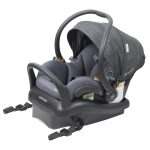
    A baby capsule is a device that faces the rear of your vehicle. It has a handle to conveniently transport your baby from your car to your home, supermarket, or anywhere else without waking your baby up. The baby will continue to be strapped in their capsule as your travel from one place to another for short periods.

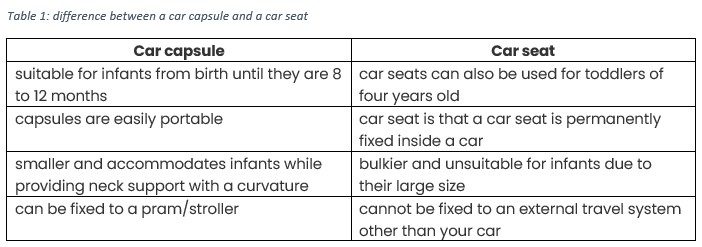
    A baby car capsule is suitable for newborns up to 6 months of age. After 6 months, or after your baby is able to support their neck on their own. After that most parents like to start using a car seat. A car seat differs from a car capsule in a few ways:

    Difference between capsule and seat

    Newborn capsules offer the peace of mind that every parent seeks that your baby is safe and secure in their car seat.


    One thing to be mindful about before buying your capsule, is to check whether the capsule is compatible with your stroller. Not all capsules fit on all strollers. If you have not already bought a stroller, explore the Baccani range. There you can find, economic strollers (2 in 1 bassinet + seat option), or single prams made to suit New Zealand parents. You can get all your travel needs from one place with free shipping!

    capsule suitable for cavallo and pletora prams

    Do I really need a car capsule?

    By Australian law, babies must be seated in a restraint in a rear-facing position until they are at least six months old. Using a baby car capsule is one of the easiest ways to do this. It is also one of the safest ways to keep your baby secure while in a car. Aside from this, many parents enjoy the convenience of using a baby car capsule – there’s no need to wake your baby to move them out of the car!

    Some infant capsules offer multiple cool feautres like the Maxi Cosi Mico 12 LX that is offered by Baccani Australia.

    • easy portability and installation
    • one handed 9 position automatic headrest and harness adjustment
    • multi-position adjustable crotch buckle, for comfort and safety
    • Patented Air Protect side impact protection
    • magnetic harness holders
    • Cool Baby wicking fabric to keep baby cool in summer
    • SPF50 sun protection
    • water-resistant canopy
    • peekaboo canopy window providing comforting airflow.

    4 reasons why a baby capsule is a must have

    If you are considering whether a baby capsule is right for you, these features might help you make the decision…

    No need to wake the sleeping baby

    Often times, babies tend to fall asleep when you’re driving them around in your car. The motion, and the low hum of the vehicle gives the baby something to be distracted over, as they fall asleep. But when it’s time to stop by a friends, or the supermarket, good luck taking the baby out of the vehicle without waking them up!

    Here’s when you need a car capsule. The capsule can be detached without moving the baby. Simply, unclip the capsule from your car, carry the capsule from its handles, and your bub is good to come along! A capsule is a definite plus for parents who do lots of car travel with baby in the car, especially if you do lots of shorter trips.

    Avoid wet weather

    If you are heading out with a baby in wet weather (which is quite often as always in winter and spring which is half the year), it is near impossible to stay completely dry while getting them in and out of the car. With a baby capsule, you can grab the capsule and avoid having to stand too long in the rain or snow while you unbuckle harnesses like you’d need to do with a car seat.

    You can hold the umbrella in one hand and carry the capsule in the other, keeping you and baby dry in the process.

    The Maxi Cosi Mico 12 LX also includes a water-resistant canopy to add further protection from the elements (available at Baccani Australia only).

    Hands free for older siblings

    If you have older kids, a baby car capsule can help you manage all of your tiny ones while freeing up your hands.

    Getting a baby in and out of the car every time is a hassle and takes a lot of time when you include in drop-offs at school and daycare, sports practices, and the typical running about you do with kids.

    A baby capsule allows you to easily remove it at each stop and then click it back in when you’re ready to continue. While you take care of the other kids, you don’t need to fuss with a baby carrier or try to balance the baby in your arms.

     Flexibility for getting out and about

    We’ve already covered that infant capsules are highly portable and great for keeping hands free when you have older kids, but baby capsules are also really adaptable.

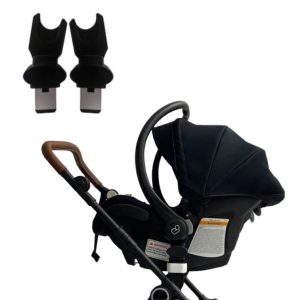
    With the right accessories (like capsule adaptors), you can connect your baby capsule to your prams/strollers so you can get out and about easily and without much fuss. If baby is sleeping, you don’t need to transfer them into the pram and likewise if you just need to duck to the shops to get a few things.

    When you have an infant, it’s really just about making life as easy for yourself as possible… and a baby capsule is the ultimate tool to do so.

    Baby Capsule FAQs

    Do babies need a capsule?

    Having a baby vehicle capsule would surely simplify your life. Aside from its mobility and simplicity, a baby capsule can mean the difference between a fast trip to the store for milk and bread and a full-day outing. A baby vehicle capsule can be exactly what you need if you lead a hectic life. Looking for an inexpensive solution for baby capsules? Some sites offer convenient baby capsule hire within New Zealand.

    Can you use a capsule as a car seat?

    The additional benefit of car capsules is that they safely restrain your child while you drive. They include straightforward methods that make it easy to attach the capsule in the back seat of your vehicle. But this is not a long-term fix. You must decide which car seat to buy once your infant outgrows its capsule.

    How long can a baby sit in a capsule?

    Babies typically outgrow their capsule by the time they are six months old. Your infant may outgrow their capsule earlier or perhaps a little later depending on their height. When using a baby capsule, always adhere to the manufacturer’s directions or get professional guidance.

    Are car capsules bad for babies?

    It is not advised to use car seats, vehicle capsules, or infant seats for extended periods of time. Your infant should remain in the capsule only when you drive. As soon as you arrive at your location, the capsule should be taken out. You should take your baby out of the car capsule as you get home because they are not meant to be used for extended periods of time.

    And there you have it, the most asked questions about do you really need a car capsule/seat for your baby.

  • How do I train my toddler to self-feed?

    How do I train my toddler to self-feed?

    “How do I train my toddler to self-feed?” is probably one of the most asked questions of any parent as their baby grows. As you start getting back to work, you’d want your toddler to do as many things as they can on their own. Eating on their own improves their motor skills, and allows them to explore their tastes and preferences. Here are some must-knows when introducing your child to self-feed.

    Things you should know as a parent

    Picky eating is typical behavior for toddlers. This is one area of their lives where they have some control. By refusing to eat, your child is practicing his or her independence.

    Different toddlers can have varied reactions to their food. Here are some things you can expect to see

    • Choosing a few foods and eating nothing but those
    • Refusing a food based on color or texture
    • Being unwilling to try anything new
    • Losing interest in a food they used to love
    • Only wanting to feed themselves with a spoon or fork
    • Messy dining space – you could try some easy clean chairs to help this.

    Here are some starters for feeding your toddler

    Ever asked yourself “How do I train my toddler to self-feed? When there seems no other way, you can’t force your child to eat. However, you can provide nutritious foods, demonstrate healthy eating habits, and set the stage for pleasant mealtimes.

    According to some resources, toddlers need the following daily nutrients:

    • 7 milligrams of iron
    • 700 milligrams of calcium
    • 600 IU of vitamin D
    • Healthy eating habits

    Children feeding themselves is a crucial stage of development because it reinforces their independence. This is a skill they need to develop for the later years in their life. Second, self-feeding involves a lot of feeling, squeezing, dropping, pulping, and picking up food. While this might seem messy, it is one of the ways your child develops fine motor skills like learning to hold cutlery. Thirdly, this is where your child learns more about tastes, temperatures, and smells of food.

    Once you introduce your baby to solid food, which is generally around 6 months of age, most children will show signs of wanting to self-feed at their will. They might take food into their hands, and tr putting it in their mouth, or might pick at the food in your plate. This is natural, although frustrating and messy. Remember that its normal, and should not be stopped. Children must be allowed to explore where possible- even if it means extra work for mumma.

    Introduce your toddler to finger foods 

    When your child shows signs of wanting to self-feed, introduce them to finger foods to make it easier for them to learn to grasp food, as well as to reduce cleaning the mess they could make.

    Finger foods are small pieces of food that are easy to hold in a child’s hand, and easy for them to bite and swallow. This could be something like banana slices, small pieces of chicken, boiled potatoes, grains and pulses like chickpea or beans.

    At the beginning, you’ll often find the bowl of beans carpeting your floor instead of digesting in their little bellies. Be patient, they will catch up soon on this.

    Introduce toddlers to cutlery

    Wait! Before you expect your child to use their cutlery alone, know that most children don’t use a spoon or fork until about 1-1.5 years of age. Your baby would usually reach for the fork/spoon when they want to use it. In most cases, if they’ve seen you use your cutlery at the dinner table, they would want to replicate it when they feel ready. Here are some tips to train your toddler to self feed using cutlery.

    • Eat meals with your child.
    • Get them a highchair that is height adjustable so you can have them sit at the table with you
    • Get a pram that has an attachable food tray if they’re still feeding in a pram,.
    • Start by facilitating their grip by giving them plastic, or rubbery, and chunky, utensils.
    • Feed them with cutlery, and allow them to hold their own pair of cutlery simultaneously
    • Praise and reinforce their behavior when they use their fork/spoon
    • Be patient. Offer new foods many times. You may have to offer a food 10 to 15 times before your child will try it.
    • Make things fun. Cut food into shapes with cookie cutters. Display the food in a creative way on your child’s plate. Have your child come up with special names for their favorite foods.
    • Offer choices. Instead of serving a vegetable to your toddler, let them choose between two options. “Would you like broccoli or cauliflower for dinner?”
    • Mix new with old. Serve new foods alongside favorites. This may make trying something new easier.

    What about snacks?

     Each day, your child should have 3 meals and 2 snacks. Toddlers usually don’t eat enough in one meal to remain full until the next meal. Offer your child small, healthy snacks between meals.

    Healthy snacks include:

    • Low-fat string cheese
    • Yogurt
    • Apple slices or strawberry halves
    • Slices of lean turkey
    • Whole-grain crackers with peanut butter
    • Only offer a snack if the next meal is several hours away. If the meal will be within the next hour, skip the snack. If your child comes to the table hungry, they are more likely to eat.
    • If your child doesn’t eat at the meal, offer a nutritious snack a few hours later. If your child doesn’t eat the snack, offer food again at the next mealtime. A child will usually eat at the second meal. With this approach, you can help make sure your child won’t have problems with a poor diet.

    Things to consider

    There are many things you can do to encourage your child to eat. But there are things you should not do, as well.

    Don’t force your child to clean their plate. Once they are no longer hungry, your child should be allowed to stop eating. Making them eat when they’re not hungry can interfere with their natural cues that tell them when they’ve full. Allowing them to choose when to stop eating teaches them how to listen to their bodies and make healthy food choices.

    Don’t negotiate with or bribe your child. Threats and punishments, aren’t good ideas either. Avoid making deals. For example, don’t tell them if they eat 3 more bites, they can have dessert. This teaches them to make deals to get rewards for other things. In addition, making dessert a reward gives it higher value in the child’s mind. This can lead to unhealthy attitudes toward sweets.

    Don’t let it show. If you’re concerned your toddler is refusing to eat, don’t let it show. They may be seeking attention, and your disapproval fills that need. That may lead to the same thing happening over and over.

    Consider proper utensils and chairs for your child to start off with the correct habits from the start of their self-feeding journey.

    This should to a great length, answer your question How do I train my toddler to self-feed? For any complications, if you need to consult a doctor, here are some ways to start the conversation:

    • How much should my toddler eat each day?
    • Are there certain foods I should try to have them eat every day?
    • Should I be concerned if my child doesn’t eat much for several days in a row?
    • Should I give my child supplements like protein drinks to make sure he or she is getting enough nutrients?
    • When will my toddler outgrow this kind of pickiness?

    Speak to your sister, friend, mother or support groups if you feel alone in feeding your child.

  • 5 things mothers don’t consider when expecting

    5 things mothers don’t consider when expecting

    First, congratulations on our pregnancy mama! Being pregnant is such a beautiful sensation. You get flooded with joy, anticipation, excitiement, but also, fear of the surprises you’re yet to face. So what should you expect when you’re expecting? We’re sure you’ve heard a lot of these tips and advices from your doctor, your mom, your siters, friend or even your kind neighbour, like keep your body exercised, get ready for a lot of peeing, etc, but here are 5 things expectant mothers don’t always consider when expecting.

    1.         BEING CONSTANTLY CONGESTED

    As your belly grows, your body feels the unusual weight coming on. These are normal pregnancy symptoms. Your body will change quite a bit to accommodate these changes, for the best of you, and your little baby. Your ankles will swell, your face will swell. But have you heard of a stufy nose? Yes, many mummas experience a stuffy nose during pregnancy which causes a congestion and a runny nose. This is because your hormones Mr. and Mrs. Progestorone and Oestrogen which increase your blood flow to your mucous membranes. While not all muothers may experience negative feelings by this, it may cause irritation to some. Some mothers may also experience nosebleeds. Keeping tissues at your bedside, and a warm mist humidifier helps set the atmosphere to prepare for such an insance.

    2.         RESEARCHING AND PLANNING FOR THE BIRTH METHOD YOU DON’T WANT

    There are different types of birth: natural, vaginal, cesarean, induction, and more. While you may be planning on having a vaginal birth, a number of reasons could force that to change. The more you know about the other ways to deliver a baby, the less scared you’ll be and more empowered you’ll feel giving birth. You could read up on post-partum birth procedures, to know what to expect as you give birth- we know you aren’t getting time to do this reading once you’ve had your baby!

    3.         SHOPPING WITH A NEWBORN

    shopping basket of expectant mother

    While expecting a baby, you tend to focus on the happy times you’ll have: endless baby snuggles, dressing baby in her first outfit, taking his monthly photoshoots, etc. But one thing you may not have wondered yet is how do you go grocery shopping with an infant? Well, first-time grocery shopping with a newborn won’t be easy. Think about all the things you’d want to take on your stroll! Extra diapers? Baby food? Nappies? Pacifier? Baby wipes? And most of all? How are you going to take them all with you between the shopping isles? You might want to think about purchasing a pram organizer, or a pram with an extra-large shopping basket, to hold all your baby’s needs. You will find some New Zealand businesses offering this feature in their prams, with some prams able to hold up to 12kg in their shopping basket in addition to holding a baby at a 20kg maximum weight capacity. And all, for a reasonably weighted pram! This is one of the least thought of things when expectant mothers consider when expecting!

    4.         MAKING A POSTPARTUM CARE KIT FOR EACH BATHROOM IN YOUR HOUSE

    expectant mothers care kit

    After you have delivered the baby, your belly will have shrunk, heartburn should ease, and you’ll loose a several numbers from your weighing scale. But depending on your delivery method, your belly slit, oor your “girl down under” will need more time to heal. Obviously- she’s been through a lot. A champion in short.

    Your hospital should send you home with some postpartum recovery items, but you’ll want more than what they offer. Here’s a great tip you might have already thought of. But if you didn’t- keep a small basket of every essential item, from pads to chocolates to a essential oils, in each bathroom. This way, you wouldn’t need to have your husband run across the rooms in your house, each time you go.  so you don’t have to remember to take it with you from bathroom to bathroom or yell at someone to bring it to you each time you go. If f you know anyone else who’s pregnant, postpartum care kits make great gifts for expecting moms.

    5.         FINDING A MOM SUPPORT GROUP

     Just as much as your concern on caring for your body post-partum, you must also care for your mental health. The best mental health care kit is to be in touch with communities of mothers or even your own mother, sister, and friends who have gone through the experience. Advice, support, engagement, or even a pair of ears to listen to what you feel, You can even join an online forum or a local in-person one. You can find one now or shortly after your baby’s born. It’s never too soon to find a group of women with babies who you can get together with. Your support group could also be your mom, sisters, grandmas, best friends, and women neighbors who have been in your now stretched-out shoes.

    And there you have it, the most uncommon and less heard of 5 things expectant mothers don’t always consider when expecting.

  • Why does my baby hate his car seat/ stroller?

    Why does my baby hate his car seat/ stroller?

    Imagine this: your friends/ sister/ neighbor is having a lovely and peaceful time with their child who sits patiently and plays around in their seat/ stroller. But every time you try this, your baby wreaks hell in your house. He throws his arms and feet around and makes it impossible for you to strap him in. Not mention doing it somehow makes you feel like you’re forcing your baby into discomfort. What is going on here? There are some possible reasons your little one hates their swing, stroller, high chair or car seat. Here’s why and how to address a fussy baby in their stroller car seat or highchair.

    Why does my baby hate his car seat/ stroller?

    Here are some possible reasons your little one hates their swing, stroller, high chair or car seat.

    1. Overstimulation in seat

    Baby has too many stimuli. Some babies may find it difficult to adjust to daily life’s commotion after spending more than nine months sheltered from the outside world inside of your womb. Sensitive newborns may become uncomfortable and cry if they experience too much noise, movement, or visual stimulation. Like when they are strapped into the backseat of a moving automobile or bounced around in a jumper.

    2. Uncomfortable seat

    Baby is in discomfort. Your child might not enjoy the straps that hold him in a car seat or stroller. There may not always be much you can do about that because car seats are made to keep babies safe, not to suit their irrational whims. However, you should always use car seats according to the manufacturer’s instructions and make sure that all straps and fasteners are as snug and secure as possible without rubbing your baby’s skin.

    3. Lonely

    Baby feels alone. Since he spends the majority of his waking hours being held, switching to a car seat, highchair, or stroller — where he can no longer feel your body’s constant contact — could be upsetting.

    4. Nature of the baby

    Babies are naturally more picky. Personality is another potential influence. Simply put, some newborns are fussier than others, and that’s just a characteristic of their individual temperament. Your baby can just dislike car seats and strollers or be bothered by the frequent abrupt routine changes they bring. You may think of it as genetic luck of the draw.

    5. Motion sickness

    Baby feels dizzy when moving. Your infant may be cranky as a result of vehicle sickness. While some babies still feel motion sickness, it is often more common in toddlers and older kids than in infants.

    6. Preterm?

    Infant is colicky or preterm. Due to their increased sensitivity to light, noise, and movement, premature newborns and some babies with colic may dislike car seats, strollers, or highchairs.

    How can I address a fussy child in their pram, car seat, or high chair?

    As most babies get older, they grow out of the need to cry, including the fussiness in their seats, and strollers. This phase should roughly come to an end at about 3-4 months as your baby gets used to the device and associates it will movement and a daily part of life.  But some babies may never get used to this, so don’t be dishearten if yours is one of them. While this may be ok in some instances, there are times when you may have to strap them in without a choice.

    Tips for soothing a baby who hates the stroller, car seat or highchair

    Don’t worry, like everything else, this problem too has its solutions. Here are some things you can do to help your baby acclimate to seats strollers and highchairs so you can take the best use of your sitting device.

    1. Try to gently settle the baby.

    When your baby is already fussing or crying, try to avoid putting him in a stroller, car seat, or highchair. When you drop him in, he’ll simply get angrier (and louder!) so try to wait until he’s quiet and content before attempting again.

    2. Distract the baby

    Put your infant on his back on a play mat, a blanket on the floor, or in his crib before attempting to secure him in a car seat, highchair, or stroller. Then provide some eye and ear candy, such as a mobile or some toys for swatting, as well as some music or white noise. Try putting him in his seat or stroller after he is peaceful. Even if your kid may cry a lot when in the car, he has no choice but to be constrained there, therefore music is frequently helpful.

    3. Try a change of scenery

    If your infant has a better vision, he might relax. For instance, consider setting up your highchair in front of a mirror (your child enjoys watching himself in the mirror) or connect safe toys to the back of his car seat for him to enjoy and play with. If your child absolutely detests his car seat, you may also bring it inside. Fasten him in there while you play with him so he begins to feel a little more at ease (and content) while he’s fastened in. Even if your kid may cry a lot when in the car, he has no choice but to be constrained there, therefore music is frequently helpful.

    4. Give them closure

    If he needs to be close to you, carry him in a sling or another carrier that keeps him as close as possible to you. At least your hands will be free to take care of some other things when you are wearing your kid, even if you will still be carrying a small buddy wherever you go. (Although it may be tempting, resist wearing your child in the automobile. No matter how agitated he becomes, he must be in the car seat whenever you are traveling.)

    5. Stay where bub can see you

    If you believe that your baby is struggling because he can’t see you, do your best to keep yourself visible while caressing and soothing him to see if it will help. Sit next to him in the backseat of a car if you’re not the driver and engage in conversation, song, or play with him. It might offer him the solace he requires to unwind.

    So all in all, a fussy child in their stroller, high chair or car seat are pretty common, so do not worry. Baby hates car seat, stroller or high chair? We’ve got the top things you need to know here, and it should fix the issue!

  • Myths busted- choosing the right pram

    Myths busted- choosing the right pram

    Myths busted- choosing the right pram. One of the most crucial choices you will need to make when you have a newborn baby is whether to purchase a pram. You’ll frequently use your stroller. Fighting with your stroller while trying to fold or unfold it in a parking lot is the last thing you want to be doing. Or straining your back because it’s too big or heavy for you. Having trouble maneuvering it off-road or running out of room in the trunk of your car for your groceries because it is too big when folded.

    Here are a few examples of the difficulties parents have as a result of not taking into account their own needs for a pram, and failing to realize that the best stroller for one member of your family or friend may not be ideal for you. Each person has a unique lifestyle and set of circumstances.

    Big multi-store sellers who are not professionals and as a result give erroneous or terrible advise and quote myths because they do not understand themselves add fuel to the fire, producing extra confusion when purchasing prams.

    According to studies, parents wind up purchasing up to 5 strollers during a child’s lifetime.

    Myth 1 – Newborn babies must lay flat in a pram all the time

    There is currently no rule or law in Australia that requires a newborn to lay flat in a pram. In fact, it’s generally recommended to have them bent or slightly slanted with their heads up. Having some sort of head support is essential. A newborn baby should not be left flat in a stroller or baby capsule for longer than two hours at a time, according to some other sources.

    Myth 2 – Pram bassinets cannot be used over night

    While many bassinets for strollers fit this description, not all strollers do. Some producers have taken great care to make sure that their bassinets are especially made for overnight sleeping. For some brands, you can even purchase customized stands that let you take the bassinet out of the pram and put it in the stand. Some bassinettes have ventilation mesh incorporated into the sides and particularly breathable mattresses. This function is really useful. especially when traveling for vacation or visiting friends and family. Always verify whether a bassinet is intended for overnight use before making a purchase. The Baccani Pletora bassinet and Cavallo bassinets are two examples of ones that are safe for overnight sleeping when the ventilation mesh is opened properly.

    Myth 3 – Small Prams are no good

    This emphasizes the idea that every parent has unique demands once more. A compact stroller is ideal if, for instance, you travel frequently- especially on a light. Yes, substantial storage is quite useful, and smaller strollers generally won’t have as much storage. However, not everyone will find this to be significant. Everything comes down to what you need.

    Myth 4 – A three-wheeled pram is a jogging pram

    It’s entirely inaccurate to say this. Yes, jogging and running strollers are three-wheelers. All three-wheelers, however, are not made for jogging or running. A genuine running or jogging stroller won’t experience the wobbles when moving quickly. Along with a standard park brake, it will also have a hand brake. Typically, they will have big wheels, unique bearings, and additional baby safety features. In addition, special suspension to provide a smooth ride at high speed and a stronger frame.

    A jogging pram is NOT always referred to as a three-wheel jogger. In fact, using one that isn’t made for running can be risky when jogging. The phrase “3 wheel jogger” is used by retailers and manufacturers to describe aesthetics rather than functionality.

    Myth 5 – Only expensive prams are safe and practical

    Although more expensive prams might have more features, a pram does not necessarily need to be pricey to be safe and useful. However, it is also unrealistic to expect super-cheap strollers and prams, which are frequently purchased in huge general merchants, to last through several kids. Multiple strollers will almost certainly end up costing more than one of good quality throughout the course of a child’s life. By no means do you have to pay thousands of dollars. We offer a wide range of strollers and prams that are of outstanding quality, reasonable pricing, and amazing utility.

    Advice on Choosing Prams

    Everyone has different needs, therefore keeping that in mind is crucial when selecting a pram. Don’t just listen to your friend or a member of your family. Their way of life will differ. The boot space in your automobile won’t be the same. They won’t always have the same money, and keeping up with the Joneses is not always necessary.

    Our recommendation is to seek wise counsel from a local baby shop or your pram manufacturer. One with experienced product professionals who have received extensive training. Product experts who are knowledgeable and have years of expertise with both themselves and their consumers. This gives them the ability to determine the ideal pram for your particular needs.

    We have a wide selection of strollers and prams at Baccani. Our prams are designed with special care and focus on the needs of Australianp parents and more than 5 years in this industry. We have gained knowledge by speaking with parents and gaining an understanding of their needs.

    Check out the range and don’t hesitate to pop in to your local baby store or call, or live chat with one of our baby products specialists for any questions or advice you need about baby prams. And there you have it, the biggest myths about purchasing your pram.

  • Things you need to know when travelling with your baby

    Things you need to know when travelling with your baby

    Many parents these days are open to travelling with their children. If you’re one of them, you’ve probably had questions like when is my baby old enough for travel? What do I need to pack? How can I keep my baby safe? And so on. Here are some of our best tips and things you need to know when travelling with your baby.

    When is my baby old enough to travel?

    To be honest, your baby is travel ready as soon as they’re born. Yes- your baby is new to the world, so they can be trained however you like! If you’re a travel mum, or a travel dad, your bub can most likely be your travel bub as well! Give your baby 2-3 days to get used to the air, and the feel of things outside Mumma’s tummy, and you’re good to gallivant.

    If you plan on any air travel, check with your airlines on their requirements first. Most airlines prefer babies to be at least 2 days old, but no doubt -the passengers would raise that bar higher! Admit it, you wouldn’t like your flight to be disturbed by anyone, or your bub to be disturbed either! It is also useful to know travel insurance requirements by your visiting country’s law, so getting an insurance is never a bad idea.

    But it all boils down to if you are ready as a parent. If your baby has any complications, or you’re feeling overwhelmed with parenthood, or just not feeling right. Give yourself a few weeks to settle in with bub and feel safer until you want to travel.

    By three months, you and your baby are more likely to be ready to travel. Your baby is no longer as fragile, but still small enough to not mind whether their bed is at home or in a hotel room, or being cuddled close to you. Young babies generally make good travelers if they feel cuddled and secure and are feeding regularly. The movement and activity often help’s them sleep, too!

    The real challenge is as the baby gets older, and his/her preferences start to surface.

    How can I transport my baby while on a trip?

    We all know as mums, that it is impossible to keep bub in your arms every time they aren’t laying down. So choosing the right travel gear will help heaps you heaps in the travel department, and when exploring your new getaway.

    If you are flying, a baby carrier or baby sling is an ideal way to transport your baby when they’re small. Being swaddled in close to you, or your partner will make bub feel safer and carefree. Using a sling keeps your hands free, and allows you to rummage around your backpacks or luggage for passports, tickets, money or your handkerchief to wipe that sweat while bub snuggles in.

    On the road, your young baby would need a travel system that usually includes all the items and accessories that your baby needs to be transported from A to B; be it a pram, a seat, a bassinet, or a car seat. If your baby is very young where they still need many hours of sleep a day, it would be best to get a pram system that can accommodate a bassinet, a seat, and a car capsule without hassle. This way, bub can be out on a walk, sleep in your house, and back in the car, all without being woken up. One thing to remember is you travel, is to make sure you get a travel system that fits your car, or the airline cabin! Don’t forget to get a luggage tag for your stroller if you’re putting it in the cabin.

    What should I pack for the baby’s trip?

    • If your baby usually sleeps in a cot, make sure you ask the hotel if cots are available during your reservation. If not, use a pram bassinet that is suitable for over-night sleeping. Australia has some great options for over-night sleep friendly bassinets- like the Baccani Pletora and Cavallo prams. Remember to open the ventilation canopies to allow proper airflow for bub as they sleep!
    • Pack along a mosquito net, rain cover and UV cover depending on the regions you’re visiting. You wouldn’t want bub to be exposed to insects and the elements if you go unprepared!
    • You may also want to take a plug-in baby monitor or night-light with you, if you’re still new to this, and want to keep an eye on bub, and make sure bub is comfortable in his new space.
    • Take along a couple of their favorite toys, or books, to keep them grounded to something homely and familiar.
    • You might also want to take along your camera to capture your baby and the fun associated with the challenge of travelling with one!
    • Apart from the above, you will also need to take the usual baby supplies which may include nappies, wipes, nappy rash cream, changing mat, sunhat and sunscreen, tissues, bibs, first-aid kit, breast pump, travel steriliser kit, clothes, bottles and formula milk.

    Tips to keep your baby happy on the trip

    A happy baby makes a happy trip. Being rested, fed, and calm is a good start for a baby acclimatizing to a new place. Make sure your bub gets plenty of sleep, and enough food, and treats that they like, to keep them happy. Toys that also keep them occupied will help keep bub working, as you tread that trek!

    A few useful accessories for car travel

    • A rear-view mirror to keep an eye on your baby as they’re at the back seat of the car!
    • Car window shades to keep away the heat and bright light from your bub!
    • Baby on board sign- you feel safer knowing that other drivers are aware of your baby on board.
    • A car bin will come more in handy than you expect, when you have a baby travelling along. Baby wipes, snack wrappers, tissues, and anything else can sit neatly in a car bin instead of carpeting your car floor!
    • A pram organizer is also a great investment to look at when travelling. You never know how much of stuff you’ll end up carrying in your pram, anticipating its need for bub in any instance during the trip! A pram with an extra-large storage basket can give you an unbelievable advantage here.

    How can I feed my baby when travelling?

    Breastfeeding is very convenient when travelling as you don’t need to pack any equipment. But if your baby is formula fed you need travel sized packages for most things. You should be able to find travel sized formula packs in supermarkets, or you can separate portions of formula powder to feed your baby whenever they need a feeding. Airlines may also allow extra liquid allowance if you’ve got a baby travelling. Be sure to clarify this before you pack for the flight!

    If your baby has started their solid diet, you could also seal pack some jars and packets of baby food into your luggage until you can access the next stop to prepare their meals.

    How can I keep my baby safe when travelling in the car?

    Take the same careful approach to safety as you do at home.

    • Make sure your baby’s car seat is properly installed and that the seat belts, if used, are correctly threaded. Australian safety standards require a safety harness in all car seats. You can check their website for more information of stroller safety here.
    • Never smoke when your baby is in the car. It’s actually illegal to smoke in a car with anyone under 18 present, because of the dangers of second-hand smoke in such an enclosed space.

    That’s a quick read on things you need to know when travelling with your baby. But the best we’ve got for you, is to go with your gut. A parent senses their child’s needs better than anyone else can!