fbpx

Blog

  • Safe, Happy & Comfortable: Expert Tips on Tucking You Baby In

    Safe, Happy & Comfortable: Expert Tips on Tucking You Baby In

    Walking into the world of parenting, one of your primary concerns lies in the safety of your baby. Whether they are awake or asleep, your baby’s safety and comfort remain non-negotiable. We understand the subtle spikes of anxiety that hit a parent when they are unaware of their baby’s status, even for a second. However, your solution should not come at the expense of your sleep. You do your best, and you have earned your rest. So, let us guide you through some excellent safe-sleeping tips, which would ensure comfortable nights around your household for you and your baby.

    Tucking Your Baby Up for the Night

    When you get your baby ready for sleep, our first tip would be to project how you feel to your baby. Think about what clothing would make you most comfortable during the night, and then dress your baby up in a similar fashion. If you would wear short sleeves and would sleep on thin sheets, dress your baby accordingly. And if you go for a long-sleeved option on a chilly night, cover your little one up and keep them comfy!

    It’s good practice to dress your baby lighter than overdoing it. Just make sure that they are warm enough and avoid all unnecessary clothing items. Hey! It’s a baby, and they cannot regulate their temperature by themselves.

    Making Your Baby’s Bed



    As we mentioned before, your baby cannot regulate their temperature. Therefore, setting the temperature of the room is vital to ensure that they sleep comfortably.

    1. Use a room thermometer or the room temperature reading from your baby monitor (We suggest you get one if you don’t already)
    2. It is recommended that a baby sleeps at a temperature between 20° to 22.2°C for optimal comfort, but you can play around with this number a little bit, depending on the weather.
    3. Check if your baby remains warm and not too cold. If they sweat a lot, adjust their clothing for comfort. Ensure that they are simply warm by observing if they are sweating or shivering.
    4. We recommend you touch your baby’s back or tummy as they are the best touchpoints to get an accurate reading to check your baby’s temperature.
    5. Also, it is important to keep in mind that your baby’s condition, whether they have a cold or any other unavoidable factor, may affect their temperature and interfere with their ability to sleep comfortably.

    Layering Your Baby & Bed

    With the tips we gave you earlier in mind, you can now proceed to dress your baby and the bed with the most appropriate layers possible. For your baby, you can either use:

    1. Swaddles (Use the TOG rating system to choose)
    2. Singlets
    3. Onesies
    4. Pyjamas

    For your bedding, you can play around with:

    1. Underlays
    2. Additional Top Layers
    3. Tuck Sheets (Use the TOG rating system)
    4. Sleep Pouches

    Sleep pouches are quite handy during summer and winter. A pouch can be used to replace the need for blankets, and in terms of security, they can offer a safer sleeping solution for your baby.

     

    Important: Never place your baby in any position other than flat on its back. Always place them on their back and do not use any head coverings. Make sure that the bedding is properly fixed without any fabric coming loose. You could use a safe infant sleeping bag instead of blankets. Pay attention to the bumpers and pillows, and make sure that they remain firm as well. Tempting as it may be to watch your baby sleep peacefully with their toys around them, do not place soft toys in their sleeping space.

    What is the TOG Rating System?

    The TOG rating, which stands for Thermal Overall Grade, is a measure of thermal resistance of a unit area, also known as thermal insulance. It is commonly used in the textile and baby textiles industry and is a European warmth rating. This has nothing to do with weight. The higher the TOG rating, the warmer the product. It refers to the level of warmth that the fabric provides rather than the thickness of the fabric or the material type. Most garments that carry a TOG rating will come with a reference guide that helps you out with your decisions on what to dress your baby with.

    Taking Precautions Against SUDI and SIDS Incidents

     

    Disclaimer: Do not be alarmed! Just relax and follow these steps to ensure that your baby is raised in a risk-free environment.

    SUDI refers to Sudden Unexpected Death in Infancy. When a baby dies unexpectedly with no apparent reason, this term is used to classify the incident. This includes SIDS, which stands for Sudden Infancy Death Syndrome. This is a rare condition and commonly occurs with infants aged 0-12 months.

    Starting off with putting your baby on its back, there are several steps that we can take to effectively eradicate the risk of SIDS.

    Put Your Baby to Sleep on Their Back

    The risk for SUDI or SIDS increases if your baby sleeps lying on their sides or flat on their belly. Avoid this at all costs. You can expect the baby to stay put until they are about 4-6 months old. But when they start to roll over, keep an eye out and reposition them flat on their back.

    1. Do Not Cover Their Heads

    Tuck them in safely and avoid putting anything over their head, as we mentioned earlier.

    1. Breastfeed For Safety

    Breastfeeding your baby has been shown to reduce the risk of SUDI and SIDS by almost 50%. It also decreases the risk of other fatal sleeping accidents.

    1. Smoking is a Huge NO!

    Countless studies have proven that second-hand exposure to smoking, or passive smoking as it is more colloquially known, increases the number of respiratory and other health risks in babies. Smoking during pregnancy and even after birth significantly increases the risk of SUDI, SIDS, and other fatal sleeping accidents. Keep the smoke as far away from your household as possible.

    1. Keep Them Close

    For the first few months, share a room with your baby. It is recommended that you keep the baby close for the first six months of their life and preferably an entire year for naptimes and sleep times.

    1. Use A Standardized Cot

    A standard cot is non-negotiable. Purchase a cot that is built according to the required safety standards. Check if the cot carries the following label:

     

    The Product Safety Standards (Household Cots) Regulations 2005 (Regulations) set sections of safety standard AS/NZS 2172:2003 Cots for household use – Safety requirements with amendments as the product safety standard that suppliers of new and second-hand cots supplied in New Zealand must comply with.

    Cots that do not meet the above safety requirement could contain many risks. For more information on the safety standard of a cot in New Zealand, please visit: https://comcom.govt.nz/business/your-obligations-as-a-business/product-safety-standards/household-cots

    Apart from the above SUDI and SIDS-specific tips, follow the initial tips we provided. Do not place toys and other foreign objects with your baby when they sleep; use a firm mattress, dress your baby according to the weather, and you are good to go!

    In case you have a babysitter or entrusts other carers with your baby’s safety, it is important that you educate them and have them well versed in the above safety guidelines and the risk of SIDS and SUDI. Make sure that they are completely thorough with all safety measures before you entrust your baby’s safety to them.

    On a closing note, it is extremely important that you practice safe sleeping with your baby. It may seem like an impossible job, but trust us, and you don’t have anything to worry about. If you made it to the end of this article, it is proof that you are an amazing and dedicated parent, and we are pretty sure that you have got what it takes. If you do have any questions, refer to an online source or get help from an experienced parent. Do go through the rest of our baby tips that cover a wide range of topics that would equip you with the intricate yet beautiful endeavor of raising a child. Good luck!




  • Hair Care Made Easy:  Expert Tips to Maintain Baby Hair

    Hair Care Made Easy:  Expert Tips to Maintain Baby Hair

    Did your little one open their eyes to this world with a thick head of hair? Or did they do it with a gleaming scalp? It doesn’t matter. Some babies are born with quite a bit of hair, while others do not have much or at all. Hair at birth could be linked to lingering pregnancy hormones. Once these hormones fade away, it is pretty common for the baby and even the mum to lose some hair due to the normalization of endocrinal functions.

    Some babies are genetically programmed to shed a large number of hair follicles at the same time. This is called ‘Telogen,’ which should not be a major concern for you as a parent. The hair will grow back, and it may be surprisingly different. How so? It can either be of a different colour, a different thickness, a different texture and shape. After your baby coos into their third month, they will start to grow permanent hair. But this could start as late as 18 months old on some babies, so don’t worry if it doesn’t happen immediately. But you can always consult a pediatric dermatologist if you feel concerned or worried.

    Regardless, this is a minor complication, and we can assure you that their hair will grow eventually and keep growing for life.

    However, like any other aspect of taking care of your baby, proper hair care is mandatory if you want your baby’s hair to remain healthy and strong. So once your baby’s permanent hair is in play, do you know how to take care of it?

    Yes? No? Maybe?

    Whatever your answer may be, let us guide you through the dos and don’ts of baby hair care, along with a few expert tips to ensure that your baby grows up to have the healthiest hair possible.

    Don’t Be Afraid to Shampoo


    One of the main reasons your baby has thin or weak hair as they grow would be a sweaty and dirty scalp. To avoid this, you should be sure to shampoo your baby’s hair and massage the scalp. Before shampooing, you should ensure that you have purchased the right product. Adult shampoo can be mildly toxic to infants, but that should not be a risk you are willing to take. Use a baby shampoo instead. You can also use a head-to-toe multipurpose product to achieve the same results. For best results, shampoo your baby’s hair three times a week. Do not wash your baby’s hair every day as you need their scalp to retain enough moisture and natural oils. Buy a tearless shampoo as it won’t hurt your little one’s eyes even if it trickles down through them.

    Massage to Improve Circulation

    Use a natural oil product such as coconut oil, olive oil, or a specific oil manufactured for infants, and massage your baby’s entire body, including the scalp. Massaging their scalp has proven to improve blood circulation to the hair pores and would relax them into a nap, which is always crucial. Massaging your baby’s scalp would prevent the scalp from being dried out, retain moisture, and effectively prevent dandruff formation. When massaging your baby, it is essential to be gentle. Apply oil gently to their scalp and massage it without applying any pressure. Use a circular motion for best results. A gentle head massage is an excellent way for you and your baby to bond. Take your time to enjoy these few months while your baby’s hair is short and soft before the time arrives for their first-ever haircut!               

    Use a Comb


    Combing is a century-old remedy that stimulates the hair pores and follicles to function well and aids in the healthy growth of sebum. Sebum is an oily, waxy substance produced by your body’s sebaceous glands, essential to maintaining healthy hair. As it is with massaging, make sure that you do not apply any pressure when combing your baby as their scalp is extremely sensitive. The best comb to use is one with large teeth or a comb with soft bristles. As a healthy practice, comb your baby’s hair once or twice per day. As it is with everything, use moderation.

    Manage Cradle Cap Properly


    Cradle cap occurs when there is an excess production of sebum. When your baby gets a cradle cap, it would resemble thick yellow and white scales on the scalp. Once again, do not panic if this happens because it goes away naturally when your baby is 8 to 12 months old. To properly manage cradle cap, follow the tips we have given above. Regularly wash and comb your baby’s scalp and keep it as clean as possible. Avoid using any talcum powder on their head when this situation persists.

    Trim or Shave, It’s Your Choice!

    To maintain healthy hair at an early age, trimming the hair ends regularly would work wonders. Trimming effectively solves issues such as split ends, dandruff, and other dryness-related issues. In terms of comfort for the baby and convenience for the parents, a shorter length mane would be quite helpful.

    Yet another way that you could avoid these hair-related issues is by removing hair from the equation. You couldn’t ask for a better deal in terms of convenience, comfort, and time management. However, it is your baby, and it is your choice. Choose the method that most fits your lifestyle and preferences.

    Moisturize!

    Especially in a case where your baby is bald, use moisturizer to mitigate all dryness-related issues on your baby’s scalp. Using a proper baby moisturizer would ensure that the scalp remains soft, smooth and acts as a shield against dandruff by preserving the moisture from within.

    Always Choose Baby Products


    When implementing any of the tips we gave you, be mindful not to purchase any adult products. Your shampoo, moisturizer, comb, and other hair care products should be exclusively made for infant care or should be products that are proven to be harmless for babies. (Consult with your Doctor) Baby products are specifically designed to protect a baby’s sensitive skin from irritation or external harm.

    Long Hair Comes with Extra Care

    If you let your baby’s hair grow out, you should take extra precautions in comparison to a parent handling a baby with short hair. You should regularly trim, oil, and clean their hair to avoid any damage. When oiling their scalp, do not leave it on for a long time as it would invite dirt and dust to stick onto their hair. When using headbands or clippings, do not use tight ones and avoid restraining the baby’s hair too much. Remember! Your baby is a baby, and they may not be able to communicate the pain or discomfort that they may experience. You must be mindful and keep your baby as comfortable as possible. If your baby’s hair gets tangled by any chance, use a baby-friendly conditioner, and untangle it easily!

    You should know that taking care of a baby’s hair is even easier than taking care of an adult’s hair. Although we ran you through some specific scenarios and precautionary measures, do not be intimidated! Relax and always use your instincts. If you have any suspicions that are not easily resolvable, consult your doctor immediately. Always make eye contact with your baby if they act distressed and calm them down by singing a soothing song or showing affection. Now, go on and make hair care an enjoyable experience for you and your baby. Just relax, you’ve got this!

  • Choosing the IDEAL Car Seat for your Baby: The Basics

    Choosing the IDEAL Car Seat for your Baby: The Basics

    Hello parents! Are you wondering how to travel around when a baby walks, or in this case, crawls into your life, with literally zero warnings about the infinite amount of safety measures you should implement? Well then, read along to learn how you can tackle this process with expert precision while adding a few parenting points to your ever-growing parental repertoire.

    For any parent with an infant and a vehicle, choosing a car seat that meets every need surrounding their child is a vital task. As a responsible parent, numerous factors should be considered when you attempt this essential task. However, what is most important when you are out in the market to purchase the perfect car seat, is that an eleven-letter word should immediately pop into your mind. That eleven-letter word is spelt C.O.N.V.E.N.I.E.N.C.E.

    Convenience for the parent and convenience for the child is an essential factor to consider when you travel in a vehicle with your parental duties nudging at you through every turn. To keep it a buck with you, choosing a car seat is quite an uninteresting ordeal. Unlike specific exciting parental affairs, such as choosing pretty nursery items, buying cute clothes for your kids, or even picking the stroller of your dreams, choosing a perfect car seat is a relatively tedious process. However, it will be one of the most important purchases that you will make for your baby. Ensure to guarantee its safety, convenience, and durability at the top of your priority list.

    First, you should know what kinds of car seats are available. Along with that, having considerable knowledge of other supplementary accessories shall always be a plus! Check the availability of all these accessories and crosscheck if they fit your needs with your child’s requirements and also if it fits into your car with minimal hassle.

    Pro Tip: Always check whether your store provides you with car seats and accessories that are protected with premium safety guarantees.

    That being said, let’s get down to business.

    Car Seat Fundamentals

    1. Capsules – Capsules are ideal if you have a newborn or if your baby is less than 12 months in age. Capsules are safe and suitable for small babies who’ve just said hello to this world. However, you should be wary that your baby will outgrow a capsule within a year, tops.
    2. Car Seats – Car seats can be used from birth or ideally from 6 months onwards. These can either be rear-facing or front-facing. Buckles on these click tightly and usually have enough padding to keep your child comfortable and snug. Fully secured car seats are mandated by the law to be used until your child is 7 or 8 years old.
    3. Isofix – Modern car models often come with car seat mounting points called Isofix, where a car seat or capsule can safely click into the frame of the backseat, which effectively removes the necessity to fasten the seatbelt. Isofix is a handy system that makes life quite convenient for parents and children alike.
    4. Car Seat Orientation – Car seats for babies come as rear-facing or front-facing. Typically, it is recommended to use a rear-facing car seat as it edges over its counterpart in terms of guaranteeing more safety for your baby. In New Zealand, it is counselled that you opt for a rear-facing seat until your child is at least two years old.
    5. Boosters – Boosters are car seats that are manufactured to accommodate children that are generally older. Typically ranging from 5-7 years old, depending on their size. Since this varies, have a chat or contact your store employees about your child’s size and buy the best booster seat that will fit them comfortably.
    6. Accessories – Accessories like capsule rain covers, car seat protectors, padding, extra cushion, neck supporters, and seat belt adjusters, etc., are completely worth buying to make your baby as safe, comfortable, and well equipped as possible. Accessories are excellent additions that provide versatility to your car seat while keeping your baby snug and comfy.

    Now that you’ve got the basics covered let’s move on to the next step.

    Scout Your Baby Mobile

    Car Seat for your Baby

    The next step you can consider is to analyze the potential baby mobile for compatibility with seats, capsules, or boosters. Buying anything without prior examination will lead to many complications and will cost you unnecessarily. You need to make sure that your capsule or seat will fit in the back of your baby mobile and that the Isofix will be compatible with your purchase, as well as how the seatbelt can be utilized.

    Your Baby Shall Decide!

    The most important aspect is knowing your child and keeping constant track of their growth. Your seat is not going to remain the same, and adjustments will have to be made. Now parents! Here’s where it gets slightly tricky. If your child is relatively tall for their age, a seat with a higher back will fit them perfectly, ensuring a comfortable ride along with mommy or daddy. If your kid is, let’s say, on the chunkier side, a car seat with a higher weight occupancy will suit better. Either way, you should pick what’s better suited to your baby and what can be used with maximum durability.

    It’s a Lifestyle Choice

    Finally, after ticking all the boxes of vehicle compatibility and your child’s requirements, you should take a step back and check the car seat’s compatibility with that of your lifestyle. Yes, that is equally as important.

    Car Seat for your Baby

    Do you require the services of Isofix? Which seat is a better fit and will be practical in your driveway? Will a capsule be easier for you, or do you want a convertible car seat that will last for a longer period? Do you need a car seat that clips into your pram? The questions are on the plus side, and you should take some time, breathe, and preferably discuss your conveniences with your partner, friends, or relatives. Ask them about the lifestyle changes they made, how they decided on their purchases, and gain some valuable insight. After all, no internet search can ever beat the advice you get from your loved ones.

    A few brainstorming and sharing sessions will not only help you choose the proper car seat, but it will equip you against all probable scenarios while ensuring that you make the right choice for your baby as well as yourself.

    Now then, we’ve taken you through the fundamentals of choosing a car seat for your bundle of joy. All that is left is to read through everything we’ve pointed out here, do a bit of research by yourself, talk to your loved ones, and purchase a car seat that will be perfect for your family! Just remember this; it is about yourself as much as it is about your baby.


  • 15 Expert Tips for a Perfect Travelling Experience with Your Kids!

    15 Expert Tips for a Perfect Travelling Experience with Your Kids!

    Whether it is your first rodeo or your tenth, hitting the road and travelling with kids is by no means an easy task. You must have asked yourselves how do I make this easier? How do I enjoy myself and entertain my kids at the same time?

    It’s about time you stopped worrying! Let us walk you through fifteen expert tips to ensure a fantastic travelling experience while having your kids by the side.

    Go for it!

    The first tip we have is to just go for it. Yes, travelling with your kids can sound like a daunting task, but trust us, it is well worth it. Sometimes there is only so much postponing you can do. The important thing is to remember that you will survive.

    Pack with moderation

    Over-packing will lead to over-worrying. Remember that you can buy anything you miss out on once overseas. Keep things simple with your packing, and do not let it be a stress factor. Sometimes, the brand might be a problem, but hey! It is not the end of the world. You will manage.

    Organic nappies might be a point of concern because they might be hard to find at times. To avoid worrying, do a test run with a non-eco brand before you leave to see if there is any reaction.


    Pack with intuition 

    Make sure you have got all the essentials ready to go. Nappies, change of clothes, plastic bags, baby wipes, toys, pillows, snacks, and maybe some candies to help with the pressure changes during lift-off and landing are some of the essentials for your baby.

    Further, for your convenience, pack in some headphones, extra batteries, a power bank, a tablet/DVD Player, extra deodorant, and whatever else would make your trip more comfortable.

    Many airports will allow baby food, formula, and milk to be carried in containers of more than 100ml. You should know that the security will check the containers at the airport, but it is pretty quick and does not cause any contamination.

    If there is any room left for packing, add in more baby wipes. You just can’t have enough baby wipes.

    Think about your accommodation choices 

    Accommodation is a crucial decision to make before you travel.

    First, choose whether you want to book a hotel or a holiday rental. A hotel will have perks such as babysitting services, room service, and prepared meals but a holiday rental is more suited for you if you or your baby is on a special diet. You can prepare your meals yourself, and that’s a plus!

    If you are going the hotel route, make sure that it is baby-friendly. What would have been an ideal vacation for you once might not be the same when a baby and their stroller come along for the ride.


    Use the label & track system.

    If you want to stop worrying about your child getting lost by any chance, you can use this system. Write down your name and a contact number on a label and attach it to your baby’s clothes, or better yet, write it on a band and put it on their arm. That way, someone can contact you quickly in case of an emergency.

    Investing in a GPS tracking device is something we recommend as well. By implementing this method, you can attach a tracking device to your child and monitor them constantly through your mobile phone.


    Plan your flights smartly 

    Although evening flights are comparatively more expensive, planning your getaway around your baby’s bedtime is the best option. A sleeping child is a blessing to everyone inside the flight.

    Be punctual when arriving at the airport and boarding your plane. If you have to transit, the same rule applies. A frantic sprint through the airport with your baby strapped on is a huge no-no!

    Make the transit period a part of your holiday. Relax, refresh, walk around, eat, visit bathrooms, and give yourself a good stretch. Always try to have a relaxed mentality. Check if your airport provides you with a meet and assist service. If so, this can be a lifesaver for you, especially if you are new to this.

    Kiddy pools are a must!

    Even if you plan your vacation at a beach, you should ensure that a children’s pool is around. A lot of children love being in the sea, but some kids avoid it at all costs. A small pool will ensure that they splash around and enjoy with a lot less complaining.


    Decide on carrying a car seat.

    Having a car seat along with you has its pros and cons. They do require an extra seat on the flight and can be inconvenient to carry around when walking. However, having a car seat will guarantee that your baby is covered for any car rides that may come along the way. If you plan to carry your car seat, it is recommended to invest in a car seat and pushchair combination to reduce your level of inconvenience.


    Sling? Pram? Or Stroller?

    This impasse can only be answered depending on where you are going. It depends on the terrain, the condition of the streets, the weather, your child’s preferences, and several other factors.

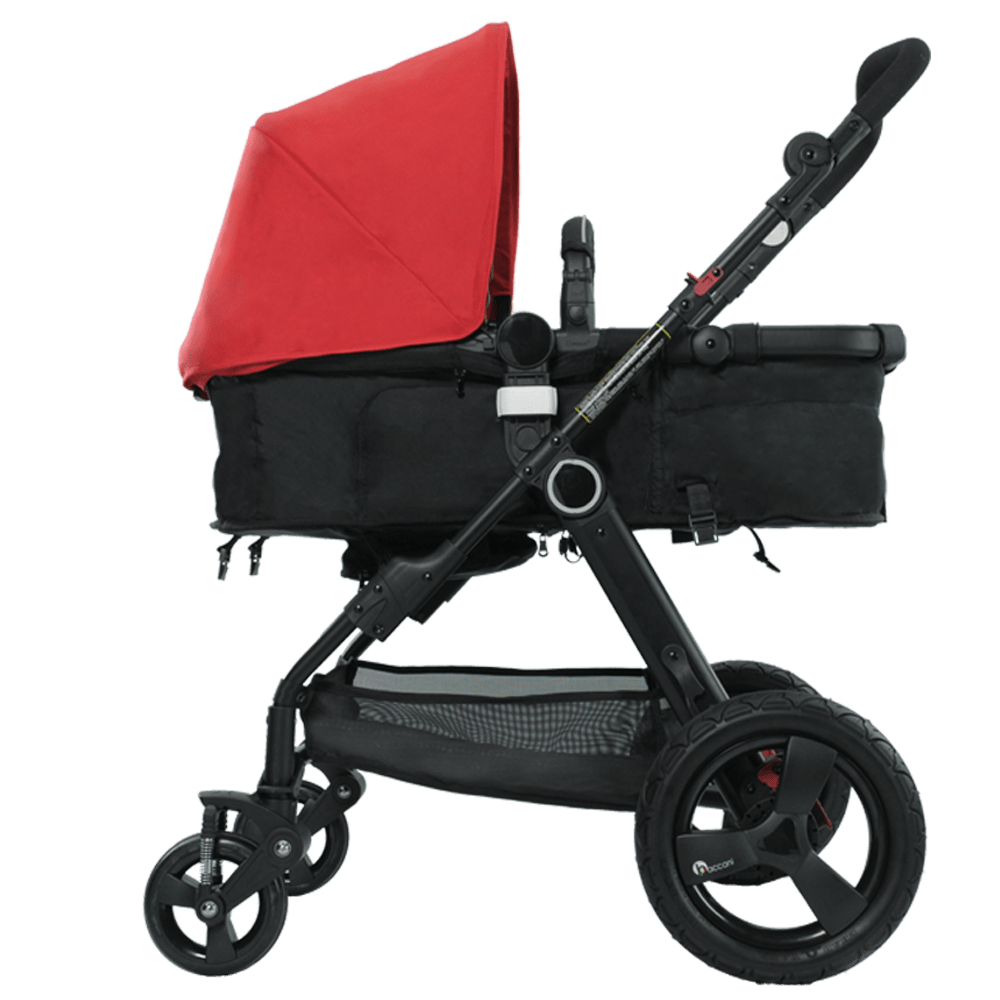
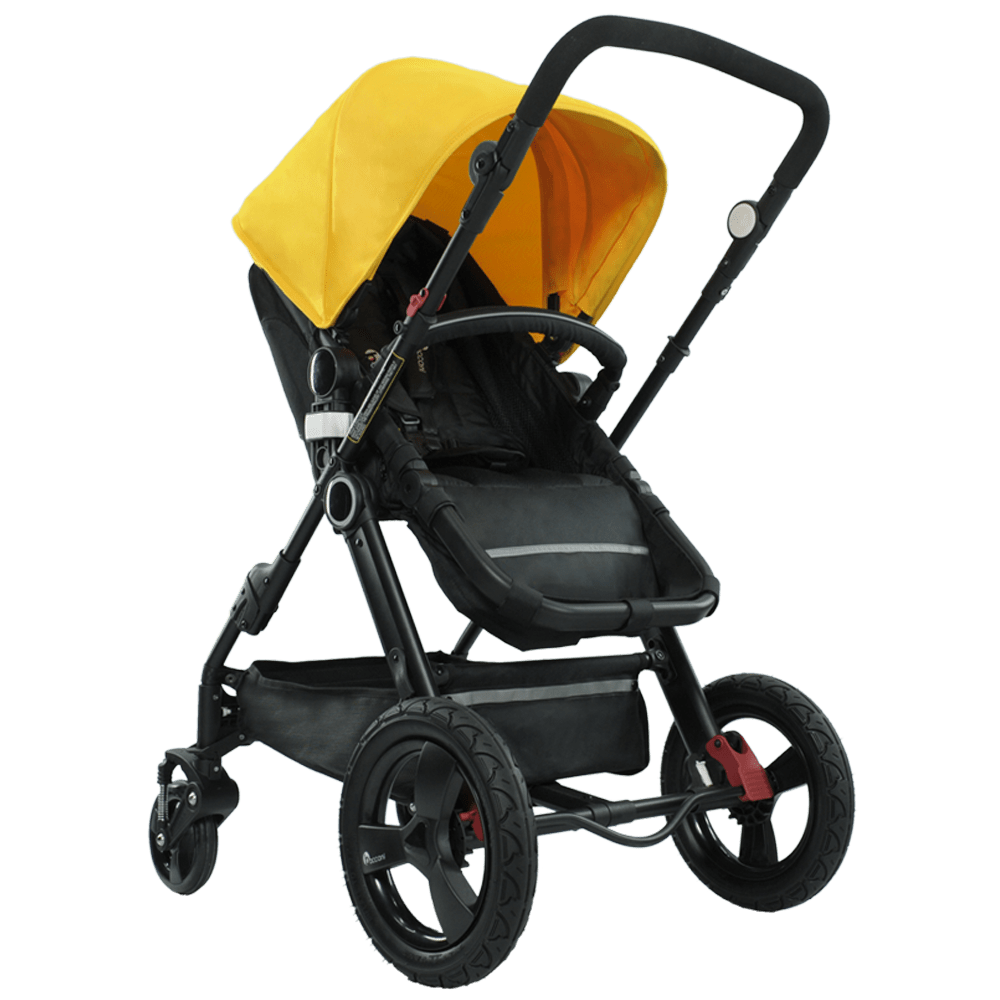
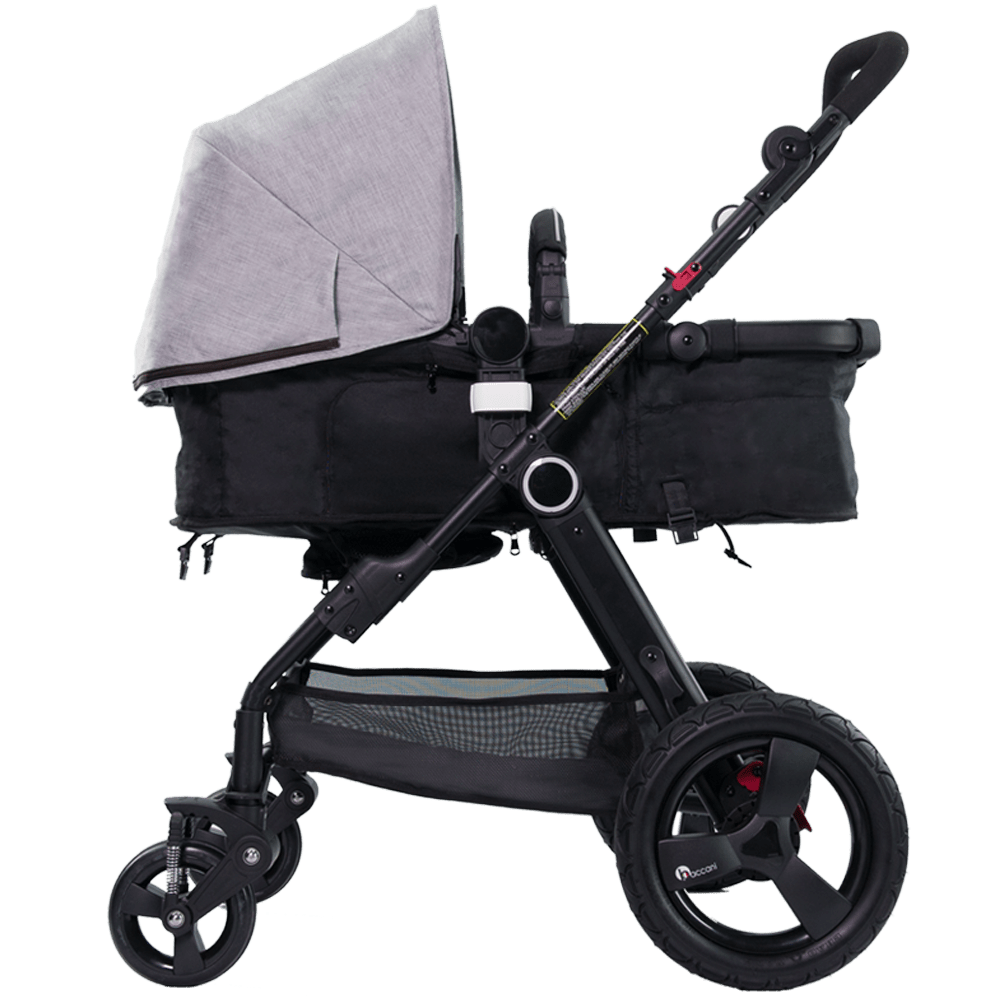
    However, it is recommended to use a light stroller as an excellent all-rounder to meet a number of these needs. Like the ones at Baccani New Zealand, a good stroller can be used as a temporary bed, has weather protection, and has wheels that can adjust to most terrains.

    Research is key!

    Before you leave for your holiday, it is essential to research your destination thoroughly to avoid any inconveniences on your part.

    Research the legal proceedings of your destination. Check if your child needs a visa, the mandatory vaccinations required, and whether you need to be equipped with specific medication when facing the country’s conditions.

    Some countries have a culture that accepts public breastfeeding, while some countries prefer that you feed your baby in privacy. If you face any doubt while you are there, don’t be hesitant to ask.


    It’s ok to have a list, and no, you’re not Paranoid!

    Before you leave, you could write down a list of everything that could go wrong during the trip. Running through situations gives you that mental preparedness to deal with issues effectively.

    Plan well but know your limits.

     You want to be well prepared and well equipped for your trip, but that does not mean you should strictly regiment every move and every decision. Have a basic overlay of the things you want to get done during the trip and be flexible with the time at your hand. Sometimes, letting life surprise you, has its perks.

    Rehearse!

    Yes, this sounds like a lot, but which part of raising a baby is easy? So, hear us out.

    This is for both your sake and the sake of your little ones. Do a practice run on packing and reaching the airport (or as far as you can go). Your baby needs to be trained in the hassle involved in the process, no matter how early you get your work done. Therefore, allowing them to get used to the situation would help ease any complications, complaints, tantrums, or on the day of the trip.

    Communication is key

    If your child is a toddler, they are more likely to be intuitive and demand your attention and explanations throughout the trip. Tiring as this may be, they are curious!  And that’s a good thing.

    If your child is new to travelling or flying, talk them through it. Convince them that the trip will happen and talk to them about safety procedures like fastening their seatbelts. A lot of children enjoy travelling, and they are quickly excited. Try your best to turn your trip into an adventure for your child.


    And finally, relax, take a step back and enjoy. 

    If your child loses all control and turns into a little demon, we advise you to take a deep breath and keep calm.

    This trip is about yourself and your children, so always be mindful to stay calm and relaxed. We understand that it is different now, with your kids around. But that does not mean that you are disallowed to enjoy yourself. Yes, that enjoyment is different and comes strapped with a load of responsibilities but trust us, you will find that this change is a good type of change. Just relax and have the best time possible with your growing family!

  • How to Choose the Perfect Pram? Top Tips That Every Parent Should Know.

    How to Choose the Perfect Pram? Top Tips That Every Parent Should Know.

    While Stepping into the world of parenting is an exciting affair, learn how to choose the perfect pram is tough. Your life would completely turn around in the blink of an eye when your little one arrives.

    While engaging in your parental duties, a stroller serves as an essential item in your parenting kit. Grocery shopping, walks around the neighborhood, or your daily morning jog, would now be adjusted to suit your baby’s comfort and needs. Yes, this feels like a daunting task, but have no worries because the tips below will guide you in the process of picking out the perfect stroller to suit your needs.

    You can simply resort to carrying your bundle of joy in your hands, but there will be times where you need to keep your own hands free to go about with your tasks. To accommodate your needs as an individual and as a parent, there is no better solution than having a perfectly engineered stroller at your disposal.

    When selecting a pram for your child, you should consider your current lifestyle and requirements. These needs shall change over time. When your newborn grows through infanthood into becoming an energetic toddler, they may no longer need to sit still in a pram more suited to an infant’s needs. Therefore, it is recommended that you take your baby’s changing pattern into account when choosing a stroller that would suit your current lifestyle as a parent.

    how to choose a pram


    What is the difference between Prams and Strollers?

    The answer is simple, and knowing it is the first step in deciding your baby’s first set of wheels.

    Baby Stroller – Technically, a ‘stroller’ refers to a model which has an upright seat.

    Baby Pram – A baby pram is a model that contains a bassinet (a flat sleeping surface).

    However, one should note that in modern usage, the terms ‘stroller’ and ‘pram’ are used interchangeably and can refer to the same product.

    Baccani New Zealand produces models that allow both positions, as versatility is a feature that the company takes great pride in. Baccani products are the best in New Zealand. They serve the function of a pram and stroller with maximum cohesion and continuity.

    Choosing the Perfect Stroller

    Since a pram or a stroller is one of the most vital tools in your parenting arsenal, the importance of choosing the right tool for the job remains a non-negotiable task. Without the proper choice, you would stress out and create several inconvenient situations in your day-to-day life as a parent.

    Therefore, get ready to delve into an expert guide on the process of picking out the perfect stroller that would fit your specific needs and lifestyles.

    The best stroller will be one that:

    • Has a seat that facilitates your needs and fits your child comfortably and safely.
    • Is built with the right height and weight for you to maneuver it easily.
    • Contains all the proper safety features.

    Different Types of Strollers

    1. Jogger Stroller/Pram – Aimed for parents who frequently engage in jogging/exercise.
    2. Layback Stroller/Pram – Lightweight stroller where a baby can lie down or sit up.
    3. Convertible Stroller/Pram – Supports a wide range of seating positions. Adapts according to the parent’s needs.
    4. Car Seat Stroller/Pram – Used primarily as an infant’s car seat.
    5. Twin Stroller/Pram – For parents with twins and have more than one toddler.

    Twin Strollers

    There are three different types of this pram.

    1. Side by Side Twin Stroller/Pram – There are two seats next to each other
    2. Tandem Twin Stroller/Pram – This seats one baby in front of the other
    3. Single Seat Twin Stroller/Pram with Additional Seat – This comes with an extra detachable seat which can be used later on if needed.

    Essential Features to look for:

    Suitability for a Newborn

    • A pram should be suitable to tuck in your little one from birth until they weigh around 15kg as a toddler.
    • Look for strollers that come with a bassinet attachment which could be swapped out for a seat to accommodate your baby as they grow up.
    • Certain prams are also equipped with reclining seats that can lay flat to safely carry your baby, along with the capability of adjusting over time.

    (These strollers with the ability to lie flat are generally more suited and produced for babies over 6 months)

    Suitable Size

    • You should test out your pram by folding and unfolding it to check if you can carry it around comfortably in a folded state.
    • Be sure to purchase your stroller at a store that provides you with the ability to test out the products before finalizing your purchase.
    • Check and make sure it fits your vehicle and seats without removing the wheels of the stroller.

    Wheels 

    • For maneuverability, swiveling front wheels are ideal.
    • It is also useful to have front wheels that can be locked in to suit higher speeds or when maneuvering your stroller through rough terrain.
    • The larger airless wheels tend to provide better performance on curbs and stairs than inflatable tires.
    • The puncture-proof airless tires with all-wheel suspension shall ensure the smoothest ride imaginable.
    • Before purchasing your stroller, give a hard tug at the wheels and check if their condition meets your needs.


    Brakes

    • Never settle for a product that does not guarantee their brake safety.
    • You, as the customer, are entitled to get an idea of how well the brake locks work. You can check this on a stroller by applying the brakes while trying to push the handle.
    • Take note if the brakes are linked and can be toggled via your foot. If so, you do not need to bend down every time you want to turn the brake on.


    Straps & Harness 

    • A good tug will make sure they are secure. Check whether the straps installed on the stroller are easily adjustable.
    • Ideally, these straps should be padded to increase comfort and minimize the risk of injury.
    • Observe and ensure that the seat does not come away from the frame when tugged at.


    Travel Systems

    • The best strollers and prams in the market are compatible with car seat capsules.
    • If made properly, you can discreetly clip them into the stroller using the proper adaptors without disturbing your baby’s sleep when shifting between the car, the pram, and back again.
    • It is not advisable to leave a baby asleep for a very long time in a car seat. Therefore, please be mindful about the time your baby spends secured to the seat.


    Folding Mechanism

    • A stroller needs to have a simplified system for the user to fold and unfold it.
    • This folding and unlocking mechanism should be simple yet inaccessible to the baby.
    • Check how much time it takes to fold the pram up. Check if you can do it smoothly. Some prams are incredibly complex and challenging to fold up and reassemble.
    • The best strollers in New Zealand markets are specifically engineered to mitigate any safety issues that may arise when folding. Thereby removing the threat of the stroller collapsing on your baby or damaging your fingers.


    Other features to look for:

    • Canopy – A stroller must be equipped with a canopy that is ideally waterproof.
    • A Rain Cover – To protect your child from rainy weather
    • Storage – It helps carry things like nappies, baby food, clothes, blankets, and your bags as well. (Check the size and weight limit)
    • Adjustable Height Handles – They come in handy for shorter and taller parents alike.


    What is the safest stroller option to buy?

    In theory, a three-wheeled stroller and a four-wheeled stroller should not have any safety difference. However, a poll conducted by choice.com showed that parents prefer four-wheeled prams and strollers above three-wheelers. This was in terms of safety, as three-wheelers report problems such as tipping, toppling, or rolling away unexpectedly.

    It is now mandatory that a stroller must contain a wrist strap that ensures that the stroller would never get away from you. For example, all prams and strollers produced by Baccani New Zealand are four-wheelers. Their products ensure your baby’s safety while incorporating even the most minute safety measures into the stroller design.

    How do you choose the stroller that best suits your needs? 

    Your stroller choice shall depend on your lifestyle and different scenarios. Here are some valuable tips for you:


    1. For shopping, you would require an easily maneuverable stroller. The stroller should not be too bulky or too wide. Having a decent-sized basket is a plus!
    2.  Are you a frequent public transport user? Then your stroller/pram should be light and easily foldable.
    3. If you frequently engage in jogging and walking, larger and puncture-proof wheels are required.
    4. Similarly to traveling on rough terrain, parks, and uneven surfaces, your stroller/pram should contain wheels that are large and resilient.
    5. Suppose you have two kids and walk frequently. In that case, it is advisable getting a reliable twin stroller that would accommodate your needs over a single stroller.
  • Babies & Work: A Parent’s Guide to Working from Home.

    Babies & Work: A Parent’s Guide to Working from Home.

    Are you working from home with a baby by your side? You must be wondering about balancing your child’s needs against your own. A baby comes strapped in with a massive load of responsibilities. Balancing work and your child is one of the significant challenges a parent faces. It is challenging, but it is not impossible. Let us walk you through some expert tips on keeping your children entertained while bringing maximum productivity to your work.

    The most important part is to create a rough schedule so that you can plan ahead of time. Ensure that you have all the supplies needed to plan fun activities with your baby. Having a plan would also allow you to prepare for any hiccups along the way and have a few contingencies ready. Thus, helping you to be more flexible with your time. Working with infants under the age of 36 months would mean that you will have to work in smaller stints and shorter bursts. However, with a toddler, your schedule can remain more stable. It may sound like a grueling task. But do not be discouraged, we have your back, and you’ve got this!

    First, let’s tackle being productive while caring for an infant under 3 years of age.

    Tip 1: Stick to your schedule

    Try to stick to the plan as much as possible. At least ticking off your most critical tasks is a plus!

    Tip 2: Take advantage of your baby’s nap time. 

    Schedule your most important tasks and do them during this time. Most infants tend to have a predictable napping pattern, so take advantage of that. You can also schedule tasks before they wake up or after they sleep, depending on your job’s flexibility.


    Tip 3: Squeeze in a bit of work during their playtime

    You can get a bit of work done while your baby is occupied with playtime. However, do not engage in tasks that require unwavering focus, as you would have to give attention to your child when needed.

    Tip 4: Split the load

    If you and your partner are at home together, you can take turns in splitting between your baby duties and work. Take shifts and ease the process.

    Tip 5: Use your breastfeeding time 

    You can multitask while breastfeeding your child. If you pump milk, settle for a hands-free pump so that you can continue working with minimal hassle.

    Tip 6: Work in your professional attire

    Dressing for work would provide you with a psychological edge to make you feel at work, increasing productivity. Then switch to your regular clothes during your downtime and create this differentiation effectively. But if you need the comfort of your leggings at home, we are not blaming you! Your comfort is an essential part.

    Tip 7:  Weekends are a blessing in disguise

    Use your work-free weekends to prep for the upcoming week. Have some meals prepared in advance, research baby activities, research parenting tips, plan your next week. Do whatever you can to take pressure off of your working days.

    Tip 8: Minimize distractions

    You already have enough on your plate. Make sure to prioritize the essential tasks of your life and cut off all distractions. Use digital wellbeing options on your phones and limit wasting time on meaningless activities. Use all the extra time you get to relax instead.

    Tip 9: Take time for yourself and be realistic

    Your mental and physical wellbeing is equally as important as your baby’s. Take a nap once in a while when your kids are asleep. Watch a movie, pamper yourself, exercise, and do anything that would help your wellbeing. Be flexible and creative with your hours, and do not beat yourself up if you can’t do a perfect job. We are, after all, human, and it’s OK to mess up once in a while. The important part is to learn from our experiences and do a better job next time.

    Let us break down specific work-at-home tips to follow when dealing with a newborn, an older baby, and a toddler.

    Work-At-Home Tips – Newborn Baby

    A newborn is likely to sleep throughout the day in roughly three to four-hour stretches. A baby will typically need feeding and cleaning throughout the day, so be prepared to wake up several times during the night! You can, however, get a solid amount of work done while your baby naps.


    To always pay attention to your child and be closer to them while you work, you can wear your newborn on a baby carrier, a sling, or wrap. A bassinet can be extremely helpful in these situations. You can quickly move it around to wherever you want your baby to be. You can also move their crib according to your convenience. Of course, a baby needs to be around their parents as much as possible. However, keep in mind that they should only be placed in their crib or bassinet for the baby’s safety during their naptimes.

    Work-At-Home Tips – Older Baby

    Older babies start demanding more attention from you. To keep a round-the-clock eye on them while you work, place some toys, a play mat, or a playpen near you. You could also use a baby swing, bouncer, or glider if your baby enjoys them as well. These will keep the babies more occupied and give you a calmer atmosphere to concentrate.

    An older baby typically has two naps per day. You can use this time for your work as well.


    Work-At-Home Tips – Toddler

    Working at home with a toddler around comes with its fair share of pros and cons. For example, while they can typically keep themselves occupied, a toddler might demand more attention from their parents than a younger baby would.

    You should divide your time between providing attention and urging them to be independent. Be firm when your toddler demands attention unnecessarily and direct them towards their playthings. Use your phone or a similar timer to provide them with an auditory cue that lets your baby know their parent is about to spend time with them. Reassure them that when the timer goes off, they will have your complete and undivided attention. Use this time to engage in something productive with them, such as reading their favorite book together. Your toddler must learn how to stave off boredom by themselves.

    To support their solo play, create a safe space for your toddler and childproof the house. This allows them to freely move about with you having to worry less about their safety.

    You can also establish a workstation for your toddler at the other end of your table or near you. Where they too can engage in some productive work. You can use this method to work together and make them feel like a big kid. Doing so would lay the roots for self-pride and work ethic in their psyche. Work for a specific amount of time and take a break together.

    Tips to Deal with Fights, Tantrums, and Unwanted Behaviour.

    When you work at home with a toddler or have a couple more children together, you would encounter several issues that would make working at home quite challenging. From sibling squabbles to temper tantrums, here are some tips to keep unwanted behavioral patterns to a minimum.

    Tip 1: Balance the demands

    Do not give in to every demand your child makes. Instead, say ‘no’ where possible. Use your intuition to decide on the demands you need to fulfill or ignore. When you deny their requests, try to provide an alternative if and when it is possible.

    Tip 2: Notice and reward good behavior

    When your child behaves the way you expect them to or does something that was difficult previously, reward them with praise. This tactic would lay the roots of establishing confidence in your child and boost their self-esteem.

    Tip 3: Use Countdowns

    When you want your child to know that something fun is about to end, do not let them know at the exact time you want them to stop doing it. Instead of saying something like ‘playtime is over,’ tell them that they have 20 minutes left and continue a countdown from thereon. This would accustom them to accept the situation slowly without being forced to adjust to it abruptly.

    Tip 4: Let them win occasionally

    Even if your child’s demands aren’t ideal, let them have a win once in a while if the wants are not unreasonable. This would minimize the tension between you and your child, plus it would allow you to conserve energy battling over everything.

    Tip 5: Giggles over tantrums

    Say your child is on the verge of a meltdown, try to deviate their attention by doing something silly or comedic to get a laugh out of them.

    Tip 6: Provide options

    Children tend to be more agreeable to the situation when given a choice. So, for example, if your child refuses to eat breakfast, ask them which cereal they prefer. Limit your options to just two, and hey, they will learn to live with the results.

    Tip 7: Sharing is caring

    To minimize sibling squabbles, try to find two things they both enjoy (e.g., Toys) and allow them to play with them for a short time. Follow this by making them trade the object or the activity. This would lay the first steps of learning how to share, which is a challenge for most children.

  • How to Keep Your Baby Cool in Stroller during Summer

    How to Keep Your Baby Cool in Stroller during Summer

    Here we guide you on how to take your babe safely for a summer holiday in a baby stroller. Actually, babies feel the heat & cool more intensely rather than an adult because their mechanisms of controlling body temperature are less efficient. Then your decision will be not to go outside with your baby, just staying at home.

    Is it wise not to go out with your babies during bright summer days?

    But it is not the real solution. You must enjoy your life although you are bound with duties regarding your newborn kids. Meanwhile, it is very important to introduce your newborns to summer weather & temperature step by step. It may boost your kid’s immunity as well as letting him or her enjoy nature. Also, the placid sun rays would fulfill the whole need for vitamin D.

    Therefore it’s better if you can use healthy baby strollers when you go out with your beloved newborns. On one hand, it will keep your kid cool & comfortable protecting from overheating sun rays. On the other hand, it will be a great relief for the parents as they won’t get exhausted carrying their newborns when traveling.

    Why they need a stroller?

    The biggest problem is that your baby cannot tell whenever he or she feels uncomfortable. Especially during overheating summer days, there is a high risk of getting sunstrokes to your cute & delicate baby. They are less able to sweat. Therefore it will be surely uneasy when the sun it’s strongest. That’s why here we recommend baby prams.

    Overheating is extremely dangerous for kids under 6 months. Some recent researches also have revealed that overheating can cause even the baby sleep death also called SIDS.

    However, many experts recommend not picking the hottest days & hottest hours in summer if you go out with your baby. Especially keep in mind not to choose from 10 am to 4 pm. Even when using a stroller, it’s better if you can avoid places with direct exposure to the sun. No matter how safe these baby prams are, always try to choose someplace with a shade of natural vegetation instead of full-exposed places like grounds & urban areas.

    Tips to use a baby stroller effectively.

    The baby stroller that you choose determines the comfort & hygiene of your newborn kiddos while you’re out for your summer vacation. Here are some tips to get a better baby pram to let your baby a happy journey.

    1. Suitable clothing for your babe.

    Your little kid doesn’t suit overdressing for summer abroad as it causes heat rashes, sunburns, or heat strokes. The lightweight, loose cotton dresses & bamboo -made dresses are always recommended for this. Both of these materials can well absorb the sweat from the skin. Besides, it would be better if they are light color dresses.

    1. The fabric of a baby stroller.

    The standard newborn baby prams usually have canopies made of breathable SPF50+ fabric. Also, there must be one or two mesh windows on the hood in order to increase airflow. The fresh air trickling from meshes would chill & keep your baby more active. However, this airflow effectively occurs only when you move the stroller.

    It’s not good to choose baby strollers with thick hood fabrics. The canopy of a healthy & convenient baby stroller must always be large & extendable. Most summer days are sunny & windy. So, your child would be protected from sunburns if this stroller can extend & collect plenty of placid air within it.

    1. Also, concern about the color.

    Actually why we must care about the color of our babies’ strollers? The scientific basis is that light colors can better reflect sun rays rather than absorbing. Then your baby would feel less sweaty even on the brightest summer days.

    1. Stroller Umbrella.

    On a hot summer day with no wind, it’s better to use a stroller umbrella instead of the normal canopy as this hot & dry air can increase the risk of overheating. You can buy them in different brands. But it’s better to get it from the same brand that you’ve got your baby stroller.

    Some parents cover the canopy or the whole baby stroller with towels, blankets, or nappies to keep their children safer & cooler. But bear in mind that it will be a great risk for your kid’s life.

    1. Extra canopy for extra safety.

    As mentioned above, a normal blanket or muslin is not suitable for providing an extra shade. But sometimes we want some extra coverage on the stroller in order to protect your little angel from harsh UV rays & to keep the skin moisture. Besides, these covers are not the same as a normal blanket as they never interrupt airflow. They can make a defense against up to 99% of the harmful UVA & UVB rays protecting from skin cancers later in life. They are water repellent & can be used as a rain cover. It’s an extra advantage that these covers would fit any brand of baby strollers.

    1. Back panel.

    Another tip to increase airflow & keep your baby cooler is removing the back panel of the baby stroller. This may allow greater ventilation for your kid. So when you are buying baby prams, check if there is a removable back panel.

    1. Seat liner.

    The seat or bassinet of a hygienic stroller must be made of foam filling as it facilitates your infant’s back. A seat liner is an essential item of baby prams as it wicks the moisture when your kid is sweaty. Breathable fabric is better for this. This seat liner must be easily removable & machine-washable.

    1. Convenient & spacious bassinets.

    The only & only way that your newborn can enjoy the pleasure of your holiday picnic is by wiggling around & cheering. That’s why it’s important to choose a stroller with a roomy bassinet. Your baby can easily be there without squeezing in the seats.

    1. Stroller fans.

    We all know that kids can’t easily maintain their body temperature according to the climatic changes in the external environment. So when you are out on a bitterly hot summer day, the airflow through the mesh windows of baby prams won’t be enough. Then the best option is to attach a battery-operated fan to the stroller. The movements of the fan, its pleasant noise & tactile delicacy of circulating air, all these would keep your baby thrilled & active. It can be used both indoor & outdoor.

    1. Some easy cooling systems to keep your baby hydrated & cool.

    When you are traveling in a park with your little kid on a hot summer day, it is essential to keep him or her hydrated.

    • Always feed with fluids.

    The babies’ ability to sweating is considerably low. So, on such a warm day they would feel really hard & bitter. Therefore you must give them enough breast milk or a bottle of milk to facilitate their sweating process. It’s better to give some fluids intermittently though they are not asking. You must certainly increase your breastfeeding if your kid is less than 6 months. The older kids can be provided some fruit juice instead if they are boycotting water. However, in such a season, your older kid must get a 4oz bottle of extra water.

    You can check if your baby has got enough fluids by comparing the wet diapers in comparison to normal & also by the smell & color of the urine.

    • Place some cool water bottles aside.

    You can easily provide a cooling system for your baby while traveling in a stroller. Fill up 2/3 of bottles of water. Then freeze them & wrap them a towel. Then keep them on the side of the baby stroller. This simple method can prevent your baby from overheating & sunburns. But always be careful whether they are trying to unscrew the lids of those bottles as there is a risk of getting choked.

    • Cooler packs & wet towels.

    You can place some cooler packs or pads under the cushion of the stroller. It would feel convenient for your infant’s back without getting heated no matter how many hours you are traveling. Otherwise, parents can wipe their kids with wet towels. When the air hits the wet skin, they would really feel chilled & refreshed. Remind that the towels must be soaked in cool water, not cold water.

    • Skincare tips.

    Bear in mind to choose a chemical-free sunscreen specially made for infants. You must apply it 30 minutes before getting off. Then you must intermittently reapply it betwixt your journey. It will protect the baby’s skin from harmful sun rays.

    Moms & dads! keep in mind!!!

    As parents, you must intermittently check whether your baby is getting well or not. Getting the face flushed & red, getting the skin drier than usual, irritable or lazy behavioral patterns, fewer tears when crying, refusing the drinks & appearing the fontanelle sunken. These are the symptoms to prove that your baby is overheating.

    Always try to keep the baby prams clean as it means that your baby is in a healthy zone free of pathogens & germs. Keep the stroller in the safest area in your house. Meanwhile, remind to take short intervals for every 15-30 minutes of walking.

    Don’t try to keep the baby stroller fully shaded. It’s a horrible mistake that threatens your little angel’s life. Instead, apply a standard sunscreen as informed above. Don’t try to create a sauna condition (hot & humid) instead of a cool surrounding.

    Baccani Prams” is crowned as the supplier of the most standard & most hygienic baby prams in Australia. Our baby prams contain all the items that must be in a good stroller. Order right now the world-assured “Baccani Prams” & enjoy the delicate summer vibes with your beloved infants in your next vacation.


    Moms, The purpose of this article is informative. It is an overview of recent studies on Pregnancy. Always consult your health concerns and decisions with your doctor.

    Are you a parent to a single or twin babies? It is a big choice of choosing the best baby pram or stroller for your little one. In the baby stroller market, it can be confusing and stressful for you. You may be thinking about comfort, cost, size, weight, brans, and specially the safety of your child. Baccani Prams providing a range of baby prams suit to your newborn until toddler. In addition to single baby prams, we are introducing our double prams, brand in Lusso. Find and compare your favorite prams online and experience the best baby pram or stroller in Australia.